
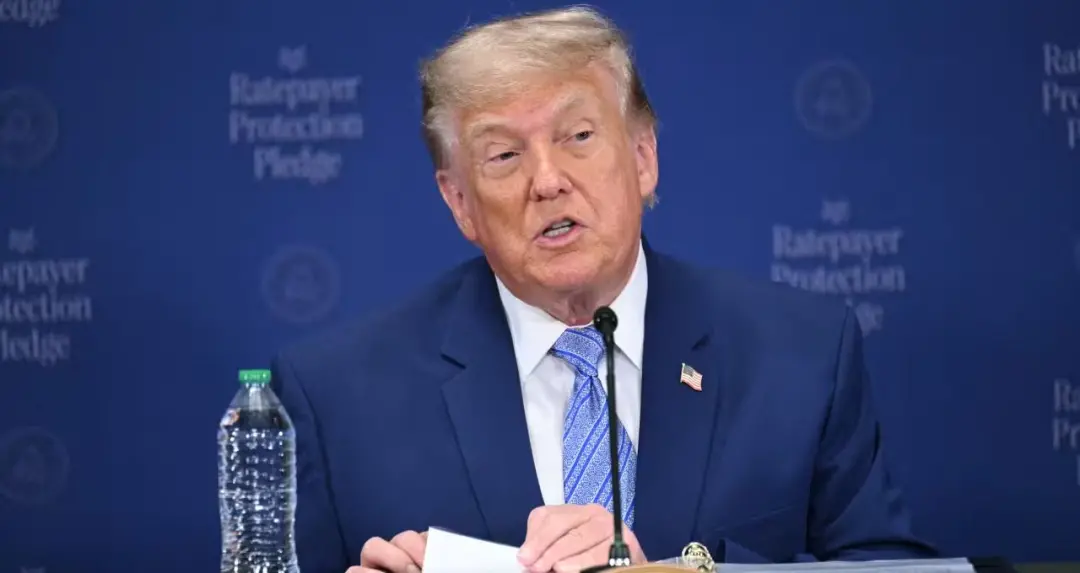
U.S. President Donald Trump has rejected reports claiming that the United States is facing shortages in its military weapons and ammunition stockpiles, stating that the country has sufficient military reserves and continues to produce new weapons as required. In a statement posted on social media, Trump also said authorities are identifying individuals responsible for leaking classified national security information and that those found responsible should face lengthy prison sentences.
The statement comes as the conflict between the United States and Iran has continued for more than six months, with no clear indication of a ceasefire or permanent peace agreement. During this period, several reports have raised questions about the availability of U.S. military stockpiles, particularly long-range missiles and weapons used in air defense systems.
Trump said the United States possesses substantial stockpiles of various weapons and ammunition. He stated that defense production is continuing without interruption and that additional weapons are being manufactured and added to military inventories as needed.
The President said the country's military capabilities remain fully prepared to meet any potential challenge and maintained that reports of weapons shortages do not reflect the actual situation.
Trump criticized those responsible for providing national security information to the media. He said leaking classified information is against the country's interests and that those responsible would be identified and face strict legal action.




He also said maintaining confidentiality in national security matters is essential because the public disclosure of such information could affect military strategy and national security.
In recent weeks, several international media reports have claimed that the United States has used significant numbers of long-range precision missiles and weapons employed in air defense systems during the ongoing conflict with Iran and other military operations.
Those reports have prompted debate over whether the United States retains sufficient military stockpiles for potential future conflicts. The U.S. administration has continued to reject those claims.
Amid questions over U.S. weapons stockpiles, Iranian defense officials said the country's indigenous defense technology and domestically developed weapons are capable of addressing external threats.
Iran said it has strengthened its domestic defense production capacity in recent years and has continued investing in the development of advanced missiles and other military systems.
Several experts monitoring national security issues have said the production of modern missiles and advanced defense systems is a highly complex and time-consuming process. They noted that developing, ordering, manufacturing, and delivering such weapons to the military can take months or, in some cases, years.
According to the experts, if large quantities of weapons are used during a major military campaign, restoring stockpiles to previous levels would naturally require time.
Some independent defense analysis organizations have estimated, based on publicly available data, that inventories of certain key U.S. missiles have declined. Their assessments specifically reference missiles used in Patriot and THAAD air defense systems.
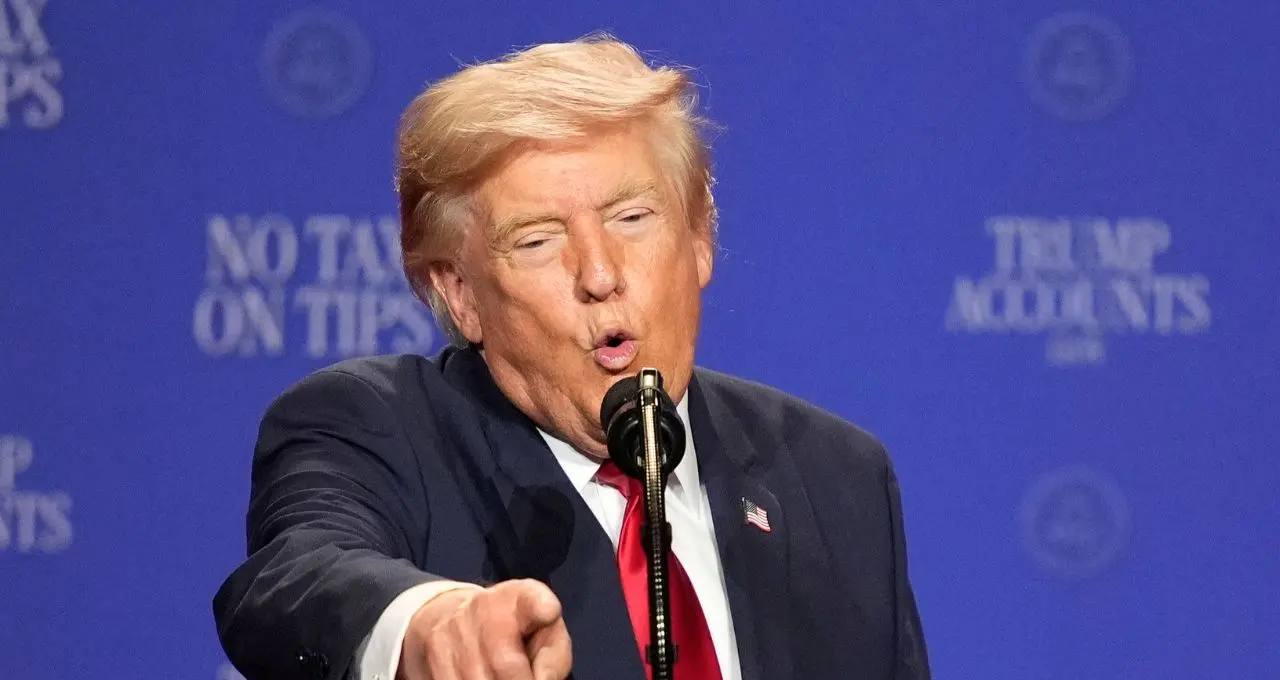
The U.S. government has not officially confirmed those estimates. The Department of Defense has said information relating to actual military stockpiles is classified and is not made public for national security reasons.
The United States is providing military assistance not only in West Asia but also to partner countries in other regions. During the Russia-Ukraine war, the United States supplied Ukraine with significant quantities of defense equipment and missiles.
Analysts have said that providing military assistance across multiple fronts is likely to increase demand for weapons and could place additional pressure on production capacity.
The U.S. administration has previously indicated that defense production is being accelerated to meet future requirements. The Department of Defense has also sought additional budget allocations to speed up the production of new weapons, missiles, and military equipment for the armed forces.
Experts say the United States may increase investment in its defense industry in the coming years in response to global security challenges and rising geopolitical tensions.
The debate over U.S. military stockpiles extends beyond domestic politics and could have implications for the global security environment, the defense strategies of allied countries, and the international balance of power.
If a major regional or global conflict emerges in the future, the production capacity, weapons inventories, and defense supply chains of major military powers are expected to play an important role. For now, the U.S. administration maintains that the country is fully prepared, while defense experts say they will continue assessing the situation based on publicly available information.


