
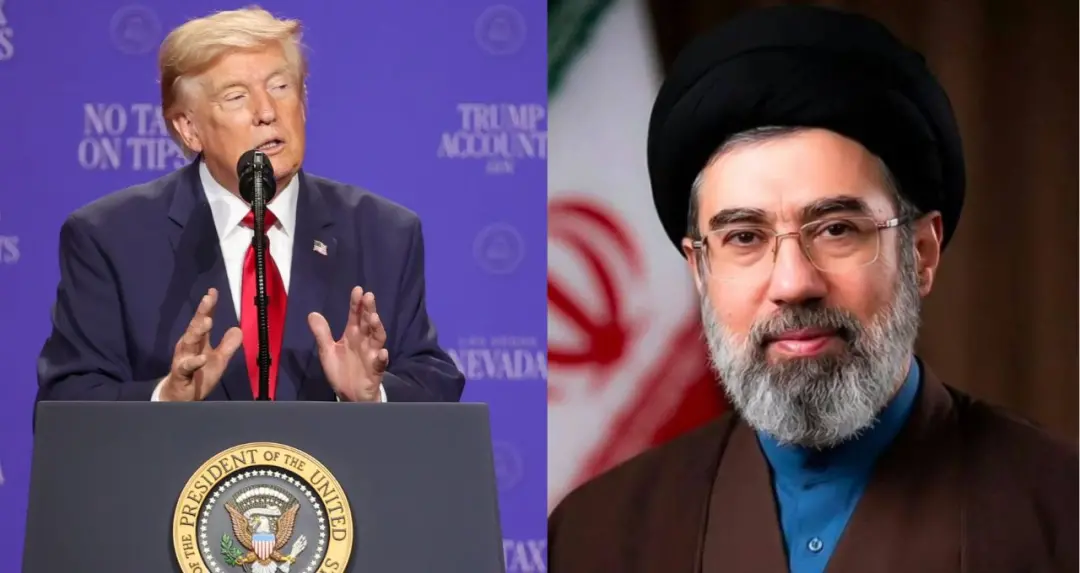
U.S. President Donald Trump said the ongoing conflict with Iran could end soon, as tensions across West Asia continue amid Houthi attacks in Yemen, heightened concerns around the Strait of Hormuz, and rising global oil prices.
Speaking to reporters at the White House, Trump said talks between the two sides were progressing and expressed hope that the dispute would not continue for long. He also stated that the United States faced no shortage of military resources or weapons and that production of new weapons was continuing as required.
At the same time, military activity in the region has intensified. Large-scale missile and drone attacks by Iran-backed Houthi rebels in Yemen have heightened regional security concerns. The crisis has also affected energy supplies, maritime trade, and the global oil market.
Trump claimed that Iran had initiated the talks and said negotiations between the two countries were making positive progress. He said a diplomatic resolution would serve the interests of all parties better than military confrontation and added that an agreement would be an important step toward regional stability.
He also reiterated that the United States remained fully prepared to protect its own security and that of its allies, while stating that successful negotiations could increase the likelihood of reducing tensions.




According to international reports, discussions are moving forward on a possible agreement between the United States and Iran regarding the Strait of Hormuz. Reports said a draft prepared between Iran and Oman is in the process of being finalized.
The Strait of Hormuz is one of the world's most important maritime trade routes, through which a significant share of global oil supplies passes. Any disruption to shipping through the waterway could have a broad impact on international energy markets.
Yemen's government army said Houthi rebels targeted several military positions using ballistic missiles and drones. According to the army, at least 30 soldiers were killed and several others were injured.
The Houthi group also claimed responsibility for a missile attack on a Saudi oil tanker in the Gulf of Aden. Continued attacks of this nature could place additional pressure on maritime trade and energy supplies.
Experts said the latest attacks could push the conflict in Yemen into a new phase. Houthi rebels targeted several key government military positions in eastern Yemen, which are regarded as bholds of the Saudi-backed government.
The Saudi-led coalition said 11 civilians were injured in an attack on Najran Airport. Analysts said that if the fighting continues to escalate, Yemen could once again face a broader civil war.
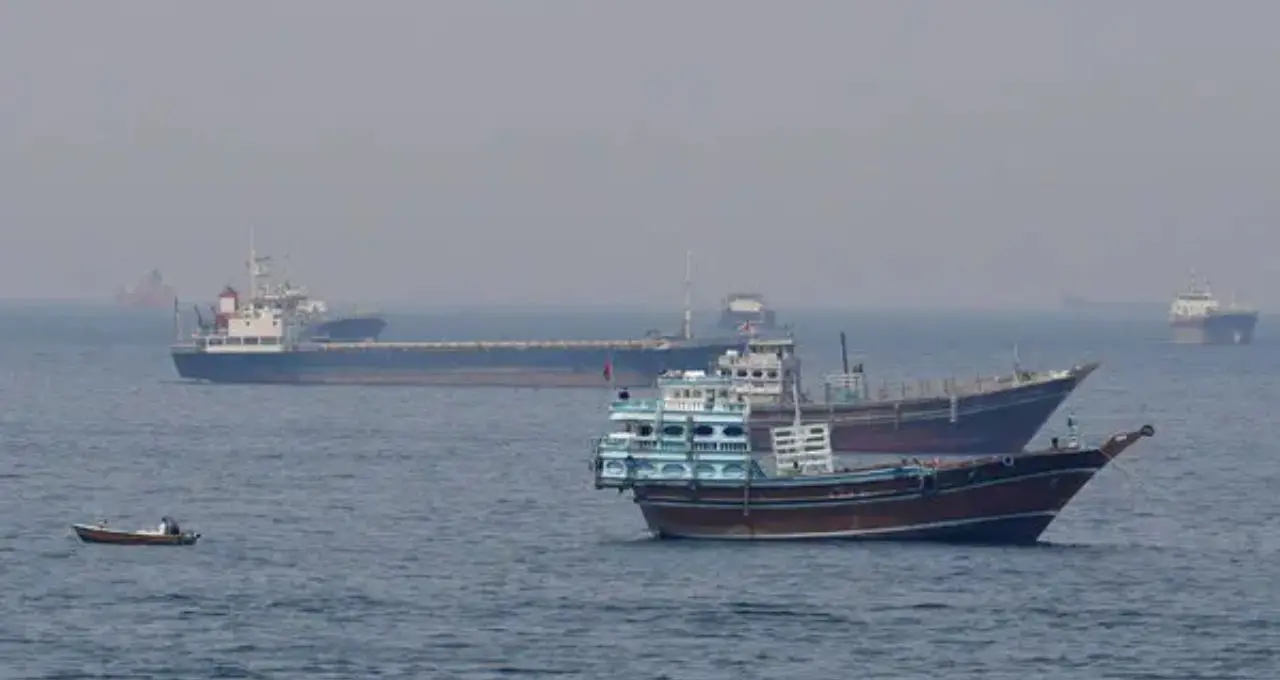
Maritime monitoring data showed a significant decline in the number of vessels passing through the Strait of Hormuz. Before tensions increased, approximately 130 to 140 ships transited the route each day. That number has now fallen sharply.
Shipping through the Bab al-Mandeb Strait has also been affected. Both waterways are considered critical for global trade and energy supplies.
A proposal has been introduced in the Iranian Parliament to restrict the movement of ships from the United States, Israel, and other countries described as adversaries, and to impose fines of up to 20 percent of the value of cargo on vessels found violating the proposed rules.
Separately, eight major global shipping organizations appealed to the United Nations and the International Maritime Organization not to allow any additional fees or tolls on ships transiting the Strait of Hormuz. They said such measures would increase global shipping costs and contribute to inflation.
Two Israeli soldiers were killed and four others were injured in an explosion inside a building in southern Lebanon. Following the incident, the Israeli military carried out retaliatory airstrikes in several areas, further heightening security concerns across the region.
Amid the deteriorating security situation in West Asia, Indian Prime Minister Narendra Modi and Israeli Prime Minister Benjamin Netanyahu held a telephone conversation. The two leaders discussed the regional security situation, ongoing tensions, and issues related to the India-Israel strategic partnership.
Growing tensions in West Asia affected international crude oil prices. Brent crude rose above $82 per barrel, while U.S. WTI crude also recorded a notable increase. Analysts said that if the situation around the Strait of Hormuz or other major maritime routes worsens, volatility in global energy markets could increase further.


