
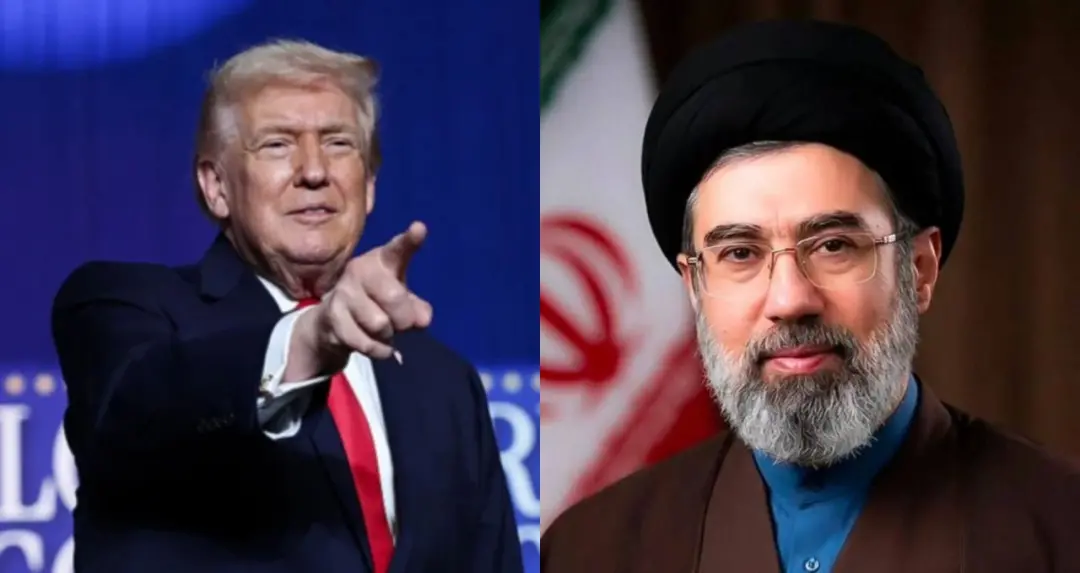
The United States carried out airstrikes on multiple military sites in Iran after an attempted missile attack on a US military base in Jordan, further escalating tensions between the two countries in the Middle East. The US Central Command (CENTCOM) confirmed that the operation targeted command centres linked to Iran's Islamic Revolutionary Guard Corps (IRGC), missile and drone facilities, coastal defence systems, and naval military installations.
The US administration said the operation was intended to protect American troops deployed in the region, international commercial shipping, and the security of Gulf countries. Iran condemned the strikes, describing them as a violation of its sovereignty.
US President Donald Trump adopted a firm stance before and after the operation. He said five missiles launched by Iran were successfully intercepted and destroyed by US defence systems, adding that the United States would not ignore attempts to attack its forces. Trump stated that the US would take further military action if threats to American personnel or allied countries continued. He also indicated that the possibility of a diplomatic solution had not been completely ruled out if conditions became favourable.



According to CENTCOM, the operation targeted several strategic military facilities in Iran, including IRGC command and control centres, long-range missile units, drone launch facilities, coastal defence networks, and naval infrastructure. The US military said these sites were being used to prepare potential attacks against American forces and international maritime traffic in the region.
Iranian state media reported explosions in several locations, including Abadan, Bushehr, Bandar Abbas, Abu Musa, Kish Island and Qeshm Island. Bushehr Province is regarded as particularly sensitive because it is home to Iran's main nuclear power plant. Iranian authorities said it had not yet been established whether all the explosions were a direct result of the US strikes, and security agencies had begun investigations at multiple locations.
Local authorities said a residential building on Qeshm Island was also affected during the strikes. Officials said several people were feared trapped under the debris, while rescue teams launched relief operations and transported two injured children to hospital. Search operations for missing people were continuing. Damage to civilian areas has not been independently verified.
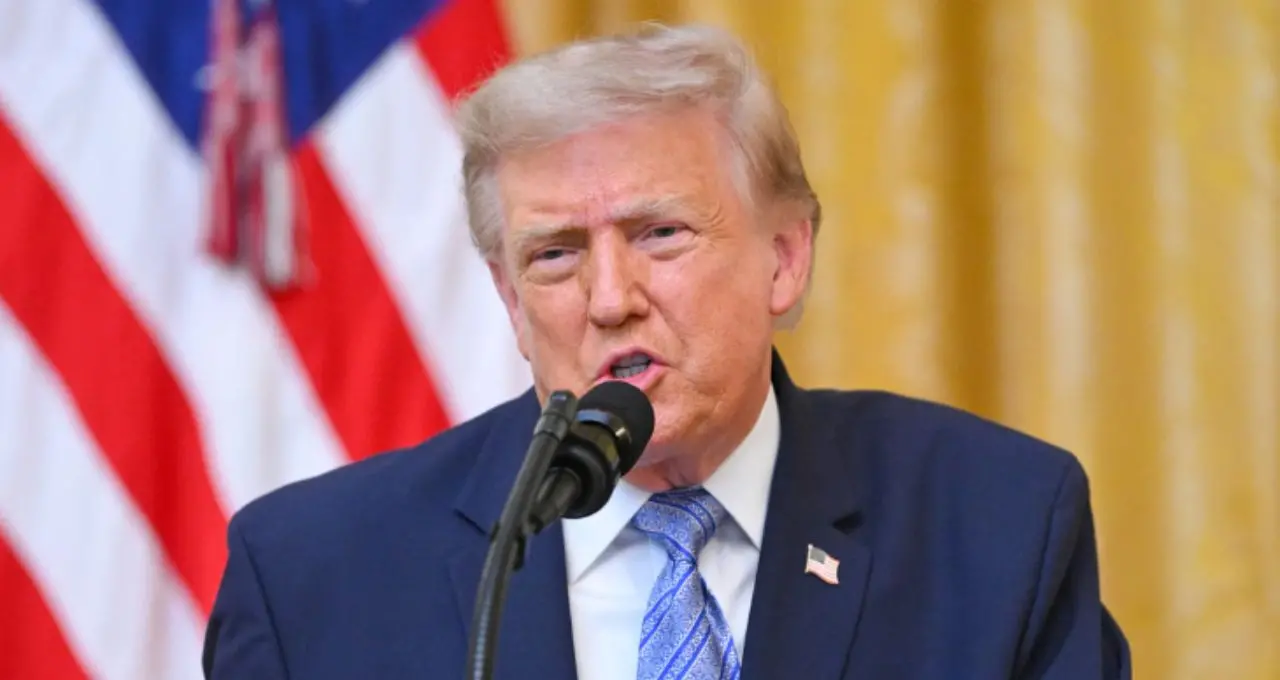
CENTCOM later announced that its planned military operation against Iran had been completed. The US military said the objective was to weaken military capabilities that could threaten American troops, commercial vessels and regional allies. The United States also stated that the operation was a military response to recent security challenges and not the beginning of a broader war.
Amid the regional tensions, reports also emerged of joint US and Saudi Arabian airstrikes on positions of the Iran-backed Popular Mobilization Force (PMF) in Iraq. The PMF said at least 20 of its fighters were killed and several others injured. If confirmed more broadly, these developments could further complicate the security situation across West Asia.
Reports also emerged of a drone attack targeting a US gas storage tanker at Egypt's Damietta Port. The vessel caught fire following the incident, but local authorities and firefighters brought the blaze under control. An investigation is ongoing, and no group has claimed responsibility for the attack.
The Iranian Navy said it maintained control over the Strait of Hormuz and surrounding waters, stating that no vessel could pass safely without its permission. The statement came amid growing international concern over the security of the strategically important maritime route for global energy supplies. Energy experts said any disruption in the waterway could have a significant impact on global oil supplies and maritime trade.
International crude oil markets experienced sharp fluctuations as tensions intensified. Brent crude rose to around USD 90 per barrel in early trading before easing to approximately USD 89.45 per barrel. WTI crude also declined to about USD 83.90 per barrel. Energy experts said oil prices could rise again if the regional conflict escalates further or if shipping through the Strait of Hormuz is disrupted.
The escalating military tensions between the United States and Iran have renewed international concern over security in West Asia. Continued military operations, retaliatory warnings and increased activity around strategic maritime routes could affect international markets, energy supplies and regional stability. Attention remains focused on whether both sides pursue further military action or prioritise diplomatic efforts in the coming days.


