
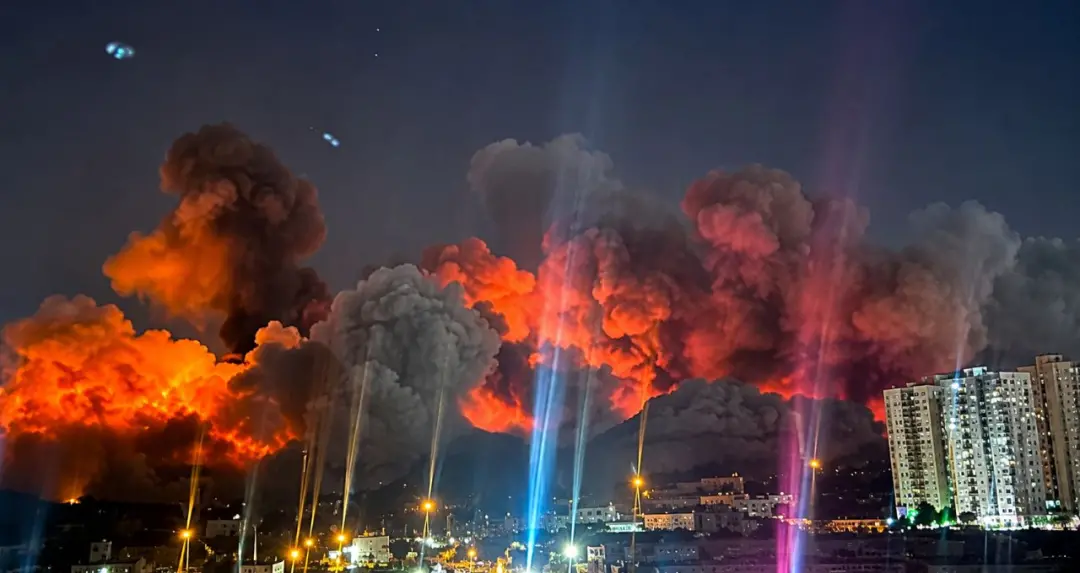
Reports of an alleged drone attack on a United States military base in Kuwait, a projectile strike on a commercial cargo vessel near the coast of Oman, and renewed warnings from U.S. President Donald Trump have heightened tensions in West Asia ahead of potential talks between the United States and Iran. Several claims related to these incidents have not been independently verified, and relevant authorities are continuing their investigations.
According to Israeli media reports, Iran's Islamic Revolutionary Guard Corps (IRGC) launched at least three drones targeting a U.S. military base in Kuwait. The U.S. Department of Defense and the Kuwaiti government have not officially confirmed any significant damage or casualties.
If confirmed, the reported attack would indicate increased threats to U.S. military installations in the Gulf region. Experts have said such incidents could further escalate existing tensions between the United States and Iran.
The United Kingdom Maritime Trade Operations (UKMTO) reported that a commercial cargo vessel was struck by an unidentified projectile approximately 37 kilometres northeast of Khasab, Oman.
It remains unclear who carried out the attack or the extent of the damage to the vessel. UKMTO advised ships transiting the area to remain vigilant and report any suspicious activity immediately. The incident remains under investigation.




Maritime security specialists have stated that any instability in and around the Strait of Hormuz could affect global energy supplies and international trade.
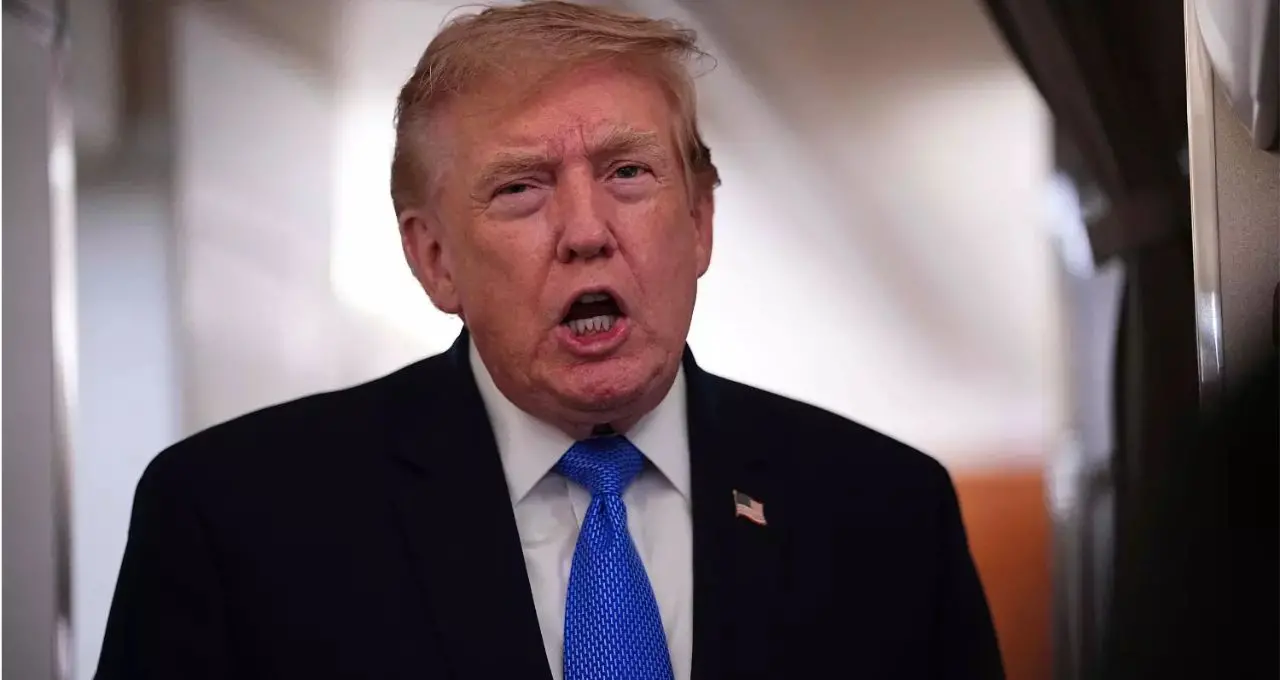
U.S. President Donald Trump said Iran has a "last chance" to reach an agreement and warned that the United States would not rule out military action if negotiations fail.
In a post on his social media platform, Trump said Iran's leadership was publicly rejecting negotiations while privately expressing interest in talks. He also claimed that the U.S. Navy maintains a b presence in the Strait of Hormuz region and that the United States remains committed to regional security.
The proposed talks between the United States and Iran have not yet been finalised, with neither the date nor the venue confirmed. According to diplomatic sources, Pakistan and Qatar are being discussed as possible host countries.
The sources said both countries have remained engaged in regional mediation efforts aimed at reducing tensions. However, neither side has officially confirmed any meeting schedule.
According to international reports, Iran may shift its strategy from direct military confrontation to increasing pressure on maritime trade, oil supplies and strategic shipping routes.
Analysts have said that, if adopted, such an approach would seek to increase economic and strategic pressure on the United States and its allies while avoiding a large-scale military conflict.
The IRGC has claimed that it shot down an MQ-9 Reaper drone flying over the Strait of Hormuz using its air defence system.
The organisation did not specify which country operated the drone, and neither the United States nor any other country has confirmed the claim. The assertion therefore remains independently unverified.
According to U.S. media reports, U.S. Central Command (CENTCOM) has directed military experts to examine additional options for increasing pressure on Iran.
The reports said various military and strategic options are under consideration to safeguard regional security and U.S. interests. The U.S. administration has not issued a detailed official statement on the matter.
Following threats by Yemen's Houthi rebels, six Saudi supertankers have diverted from the Red Sea and the Bab el-Mandeb route, instead sailing around southern Africa.
Experts have said the longer route could increase voyage times and transportation costs. They added that a prolonged disruption could affect global oil supplies and the shipping industry.
Iran's Foreign Ministry rejected reports of direct negotiations with the United States, stating that its discussions regarding Strait of Hormuz-related issues are taking place only with Oman.
Iran said several media reports do not accurately reflect the situation, while the United States has maintained that indirect contacts between the two countries continue through various channels.
International attention remains focused on the possibility of talks between the United States and Iran. Any security crisis affecting the Strait of Hormuz, through which a substantial share of the world's crude oil is transported, could have implications for international energy markets, maritime trade, insurance costs and the global economy.


