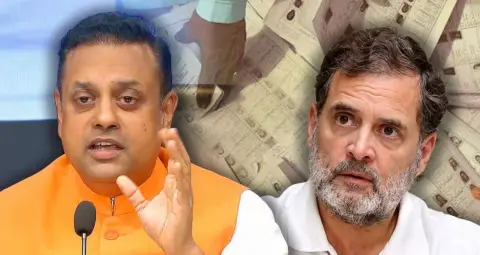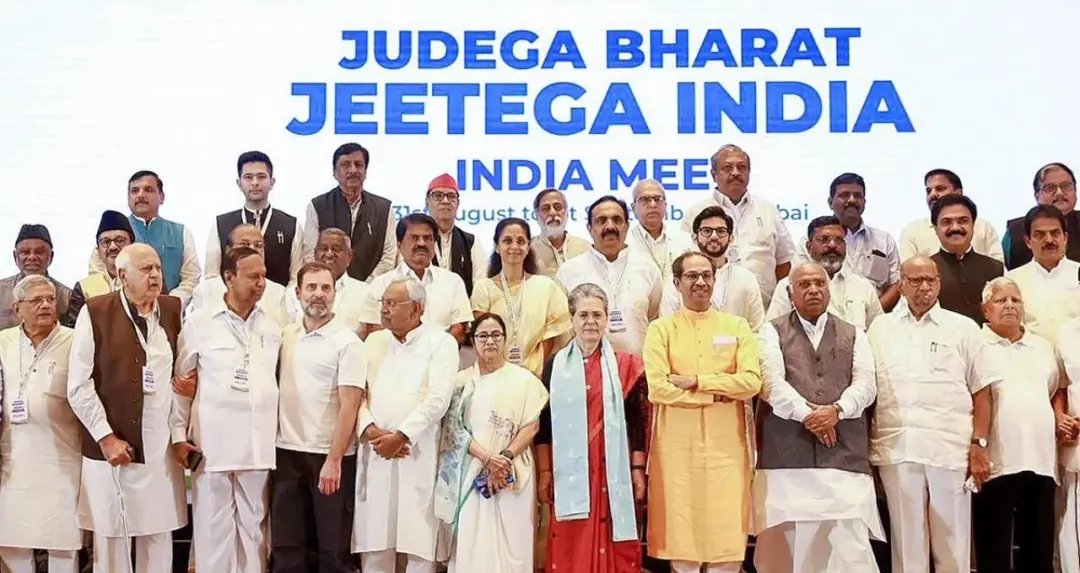
The opposition and the Election Commission are set for another confrontation over the electoral process in Delhi, with 19 INDIA bloc parties preparing to march from Parliament to the Election Commission headquarters to protest the Special Intensive Revision (SIR) and demand the resignation of Chief Election Commissioner Gyanesh Kumar. The opposition has named the proposed demonstration the “Save Democracy March.”
The proposed march will begin from the Parliament complex and proceed to the Election Commission office. Opposition MPs are expected to cover around 3 kilometres on foot. The protest will focus on changes to electoral rolls, the SIR process, transparency at the Election Commission and questions related to the use of electronic voting machines (EVMs).
Congress president Mallikarjun Kharge outlined the opposition’s key demands on social media platform X a day earlier. He said three demands were non-negotiable for the Congress: the resignation of Chief Election Commissioner Gyanesh Kumar, an end to SIR and the return of ballot papers for elections.
The opposition alleges that a large number of voters have been removed from electoral rolls during the SIR process. Kharge claimed that around 130 million voters have been affected by the process. This is a political claim by the opposition, while electoral-roll revision figures can vary across states according to the processes and records maintained by election authorities.
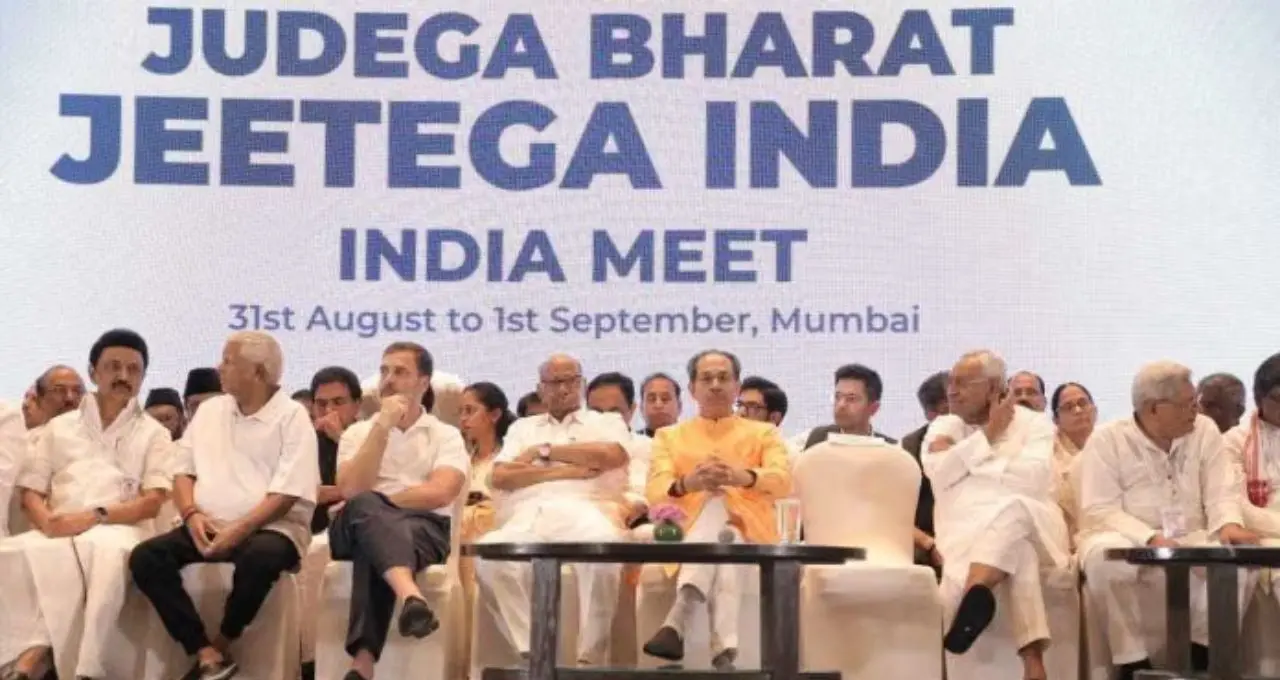
Nineteen INDIA bloc parties are expected to participate in the march. These parties have claimed a combined strength of 178 MPs in the Lok Sabha and 62 MPs in the Rajya Sabha.
The participating parties include the Congress, Samajwadi Party, Trinamool Congress, NCP (SP), Shiv Sena (UBT), Rashtriya Janata Dal, CPI(M), CPI, National Conference, PDP, Jharkhand Mukti Morcha, CPI(ML), IUML, KC(M), MDMK, VCK, RSP, AIFB and KC(J).

The opposition parties said transparency is necessary at every stage of the electoral process, from preparation of electoral rolls to voting and counting, to maintain public confidence in elections.
This is not the first time the opposition has decided to take to the streets against the Election Commission. On August 11, 2025, INDIA bloc MPs had marched from Parliament House to the Election Commission office.
Rahul Gandhi, Mallikarjun Kharge, Sharad Pawar and several other opposition leaders participated in that demonstration. At the time, the opposition had also raised questions concerning electoral rolls and transparency in the electoral process.
The opposition has now announced another joint demonstration on the same issues.
The opposition’s demands have also gained momentum following a report that referred to alleged differences within the Election Commission over decisions related to SIR.
According to a report by The Indian Express, Election Commissioners Sukhbir Singh Sandhu and Vivek Joshi had recorded objections at least 14 times to decisions and orders related to SIR. The report also claimed that some decisions were issued without the knowledge or recommendation of the two election commissioners.
The opposition has raised questions over the functioning of the Election Commission and the role of the CEC based on these claims. The Election Commission’s official position on the allegations and claims made in the report remains important.
The opposition parties’ key demand concerns electoral rolls. They said the process of adding, deleting or modifying a person’s name in the voter list should be completely transparent.
The opposition wants detailed information on changes made to electoral rolls at the booth and assembly levels to be made public. It also wants adequate notice and an opportunity to file objections or appeals before the name of a valid voter is removed.
The opposition argues that the electoral roll is a fundamental basis of democratic elections and that any changes to it should be carried out under clear rules and public oversight.
The opposition’s main allegation concerning SIR is that large-scale revision of electoral rolls could result in a large number of eligible voters being excluded from the rolls. Opposition parties want the electoral rolls that existed before SIR to be preserved as a reference for future elections.
The opposition said a voter should not be deprived of the constitutional right to vote because their name has been removed from the electoral roll. At the same time, updating electoral rolls and removing ineligible or duplicate entries is a routine part of the electoral process. The dispute therefore centres on the process, verification and transparency involved.
Opposition parties have also reiterated their longstanding demand concerning the use of electronic voting machines. The demands outlined by Congress president Mallikarjun Kharge include conducting elections using ballot papers instead of EVMs.
The opposition argues that the use of ballot papers could increase public confidence in the electoral process. The Election Commission, however, has consistently defended the security of EVMs and their use in the electoral process in India.
The opposition has also called for simplifying the voter-registration process for young people voting for the first time.
Opposition parties have called on INDIA bloc constituents to remain united on issues concerning transparency in the electoral process and institutional accountability. They said public confidence in electoral institutions is the most important factor in a democracy.
The opposition claims that any doubt over the independence and impartiality of a constitutional institution such as the Election Commission is a serious issue for the democratic system. It is therefore demanding the resignation of the CEC, a review of SIR and changes to the electoral system.
The participation of 19 parties in the march could deepen the political dispute over the electoral process. The opposition is questioning electoral rolls and the functioning of the Election Commission, while the Election Commission has maintained that SIR and the electoral process are being conducted under the applicable rules.
The proposed demonstration is not limited to opposition to SIR but is also part of the wider political debate over confidence in electoral institutions, transparency in electoral rolls and the process of conducting elections in India.