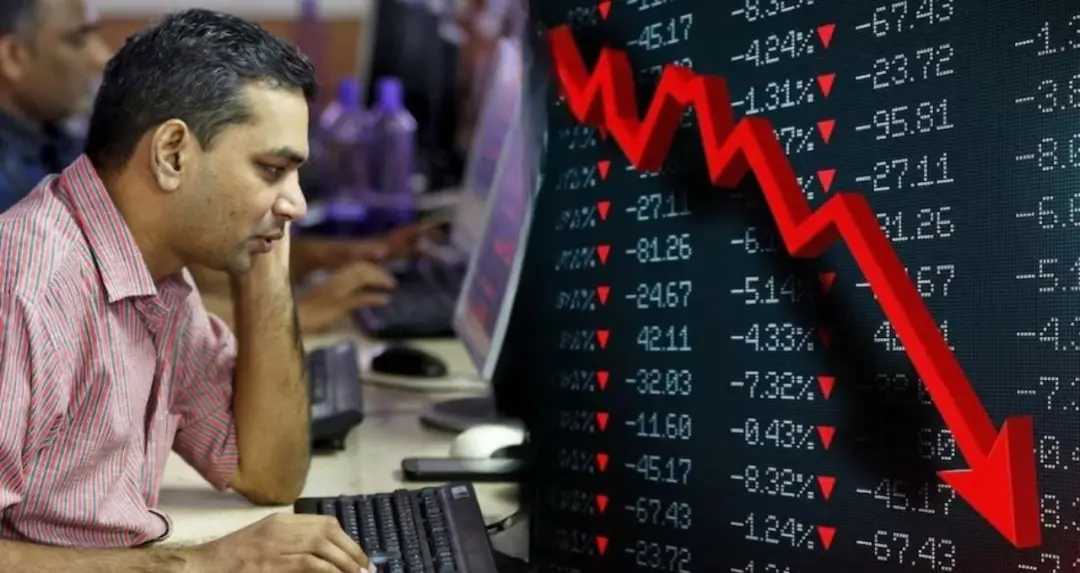
Indian equity markets witnessed sharp volatility on Tuesday, with the benchmarks reversing their early gains and ending the session with a steep decline. The Sensex fell more than 778 points to close at 74,003.82, while the Nifty slipped below the 23,150 level to settle at 23,118.60. The decline reduced the wealth of stock market investors by around ₹7 lakh crore.
Selling pressure was broad-based and extended across several major sectors. Rising bond yields, higher crude oil prices, uncertainty over global interest rates and geopolitical tensions weighed on investor sentiment.
The Indian market opened on a positive note on Tuesday, but the gains did not sustain. As trading progressed, investors began reducing exposure to riskier assets. Weak signals from global markets also affected domestic market sentiment.




Crude oil prices rising above $108 per barrel added to concerns for India as a major importer. Higher oil prices can affect the country's import bill, inflation and companies' costs, with an impact on investor sentiment.
Higher bond yields and uncertainty over US monetary policy also increased pressure on the equity market. Geopolitical risks linked to tensions between Iran and the US further increased caution in the market.
The Indian rupee also remained under pressure amid weakness in the equity market. The rupee fell around 0.4% against the US dollar to close at ₹95.96 per dollar. According to the report, this was the rupee's biggest single-day decline in around two months.
A weaker rupee and elevated crude oil prices can create additional pressure for the Indian economy. Higher import costs can affect companies' expenses and inflation.
Among major stocks, Adani Enterprises and Shriram Finance each recorded declines of around 4%. Several financial and industrial stocks remained under pressure as risk aversion increased in the market.
Among sectoral indices, Nifty indices linked to cement, realty, financial services and metals recorded the sharpest declines. Banking, financial, consumer, healthcare and industrial stocks also remained under pressure.
However, not all sectors declined. FMCG and IT performed relatively better amid the broader market decline. IT stocks witnessed b buying, providing some support to the market.