Security agencies are using AI-based smart glasses, cameras, drones and fingerprint applications during protests and major public events in Delhi. These technologies assist with identification and crowd management, but their use has raised questions about data security, privacy and the legal limits of surveillance.
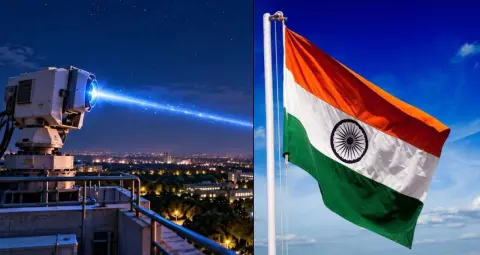
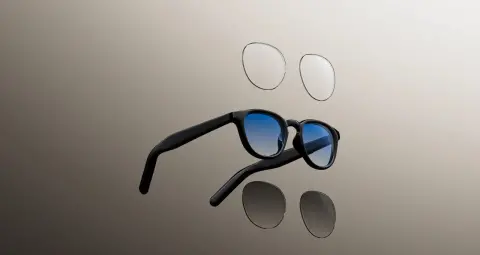
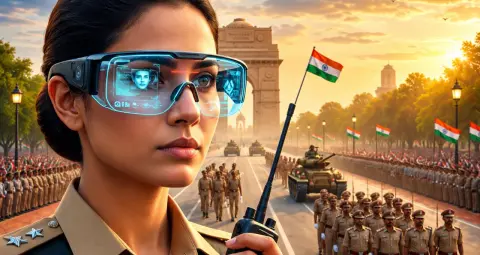
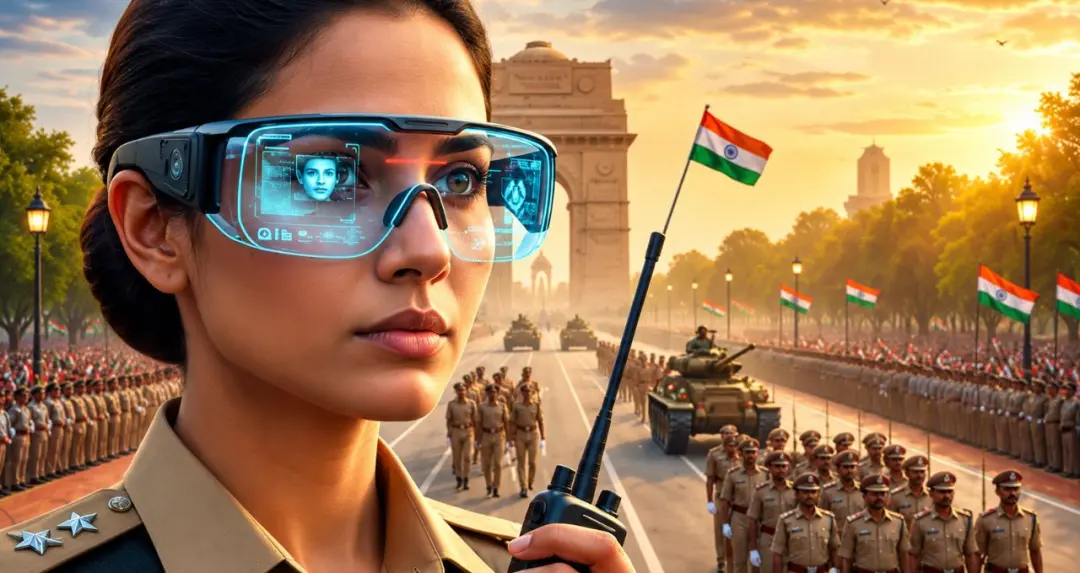
AI surveillance technology is becoming an important part of security arrangements during protests, the Republic Day parade and other major public events in Delhi. Using tools such as the Ikshana van, Agyalens smart glasses, drones and the Abhigyan app, police can carry out facial identification, fingerprint matching and crowd estimation.
During protests and other large public gatherings, security agencies use technology to monitor crowds, identify individuals of interest, record visual evidence related to incidents and assess crowd conditions. These systems are intended to support security operations and help authorities respond quickly when required.




Footage captured by high-tech cameras installed in Ikshana vans can be analysed to assist surveillance operations. Facial recognition technology can help match faces appearing in images with information available in police records. Similarly, Agyalens smart glasses can assist police personnel in identifying faces within crowds.
Drones are used to monitor large areas and observe crowd movements, while body cameras record activities taking place around police personnel. However, not all drones and body cameras necessarily incorporate AI technology.

The Abhigyan app is linked to the National Automated Fingerprint Identification System. By matching fingerprints, the application can help police establish a person's identity and access information related to available criminal records.
AI-based camera systems can also estimate the number of people present in a crowd. This helps police assess crowd size and conditions and plan security arrangements accordingly. The accuracy of these results depends on the system being used, camera quality and the availability of relevant data.
Information obtained through these tools may assist investigations, but a technological identification result cannot, by itself, be treated as proof of a person's involvement in a crime. Appropriate verification and human review remain important.
The growing use of AI-based surveillance has brought the protection of personal information into focus. These tools can collect photographs, video footage and biometric information. Questions remain about where the data is stored, who can access it and the purposes for which it can be used.
According to Virag Gupta, a Supreme Court lawyer and cyber law expert, a nine-judge Constitution Bench of the Supreme Court recognised privacy as a fundamental right in the K.S. Puttaswamy case on August 4, 2017. Under Article 21 of the Constitution, interference with privacy requires a legal basis and a legitimate purpose. The method of surveillance must also be proportionate to the necessity and purpose of the exercise.
Several devices used by security agencies may be manufactured by foreign companies. This makes transparency over data security, storage and safeguards against potential misuse important. Clear rules, accountability and effective data protection measures are essential to maintaining a balance between public safety and citizens' privacy.