A dispute between the Election Commission of India and West Bengal Chief Minister Mamata Banerjee over the Special Intensive Revision of electoral rolls has intensified, with the Commission placing its position before the Supreme Court through an affidavit.
In its affidavit, the Election Commission stated that the Chief Minister had made inflammatory speeches and held press conferences that adversely affected the Special Intensive Revision process. The Commission told the Court that these statements created fear and confusion among the public and disrupted administrative functioning.
The Election Commission submitted that implementing the Special Intensive Revision in West Bengal was significantly more difficult than in other states. It stated that an atmosphere of threats and violence existed against election-related officials in the state, which was hampering the conduct of the revision exercise. According to the affidavit, the spread of incorrect information and incitement was directly affecting the progress of the process.
The Commission further stated that the Chief Minister had provided misleading information to the public regarding the Special Intensive Revision. It said her speeches and press conferences had led to confusion and discontent, resulting in obstruction of administrative procedures and interference with officials performing their duties.
The affidavit recorded that several officials in the state were facing threats and violence, making it difficult for them to discharge their responsibilities. As a result, the Special Intensive Revision process was not proceeding smoothly.
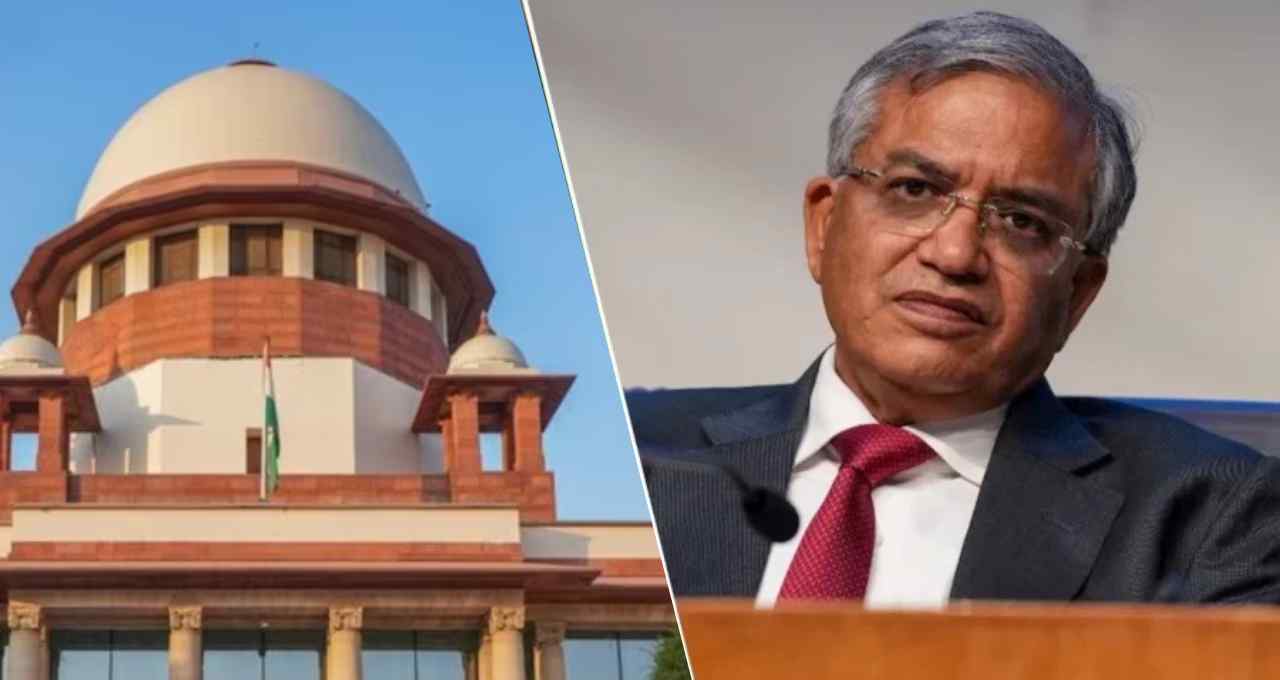
The Chief Minister has repeatedly opposed the Special Intensive Revision process. In a recent letter addressed to Chief Election Commissioner Gyanesh Kumar, she alleged that the exercise had turned into an attempt to remove voters’ names rather than correct the electoral rolls. This was the third letter sent by her on the issue.
In the letter, she stated that ordinary citizens were being summoned for hearings over minor discrepancies such as spelling errors and small differences in age. She wrote that this was causing harassment and financial loss to the public.
The Chief Minister also drew attention to the summoning of prominent individuals under the Special Intensive Revision. In her letter, she referred to Nobel laureate Amartya Sen, poet Joy Goswami, and cricketer Mohammed Shami, and questioned whether such actions reflected an appropriate and sensitive approach by the Election Commission.
She stated that these steps were causing inconvenience and difficulty not only to ordinary citizens but also to eminent personalities, and accused the Commission of political bias and arbitrariness.
In response, the Election Commission informed the Supreme Court that the Special Intensive Revision was being conducted strictly within the constitutional and democratic framework. It stated that criticism and press conferences by the Chief Minister were affecting the process. The Commission requested the Court to allow administrative officials to function and permit the Special Intensive Revision to proceed smoothly.
The Commission reiterated that implementing the Special Intensive Revision in West Bengal was more challenging than in other states due to threats and inflammatory statements, which were making it difficult for officials to carry out their work.