
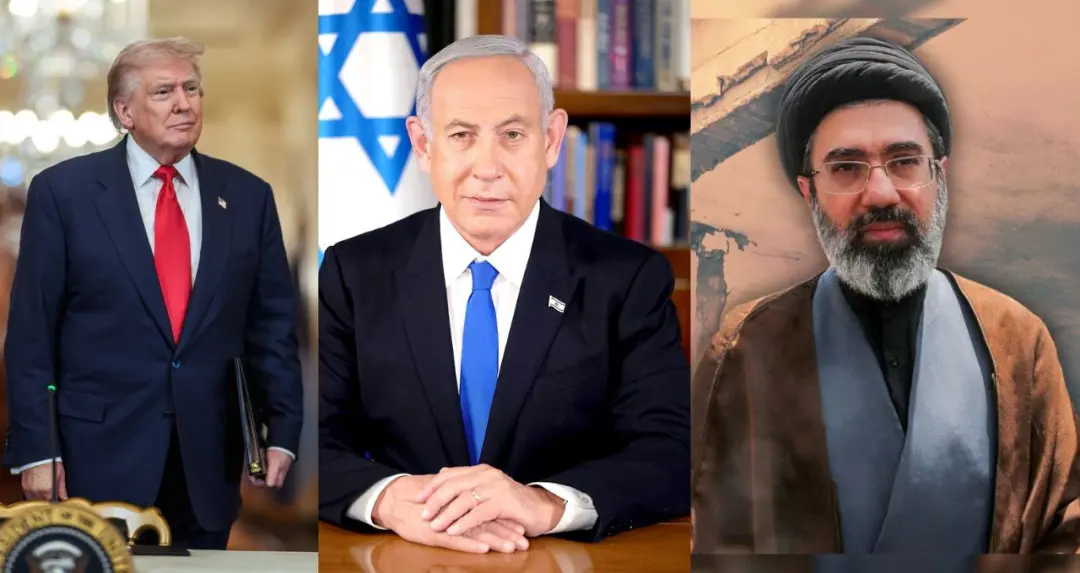
Israel has rejected a proposed peace agreement between the United States and Iran, stating that the deal does not align with its security interests and that it will not accept external pressure in determining its strategy.
Israeli leaders said the country will not withdraw from southern Lebanon and will maintain military deployments indefinitely in security zones established in Lebanon, Syria and Gaza, a position that has heightened regional tensions.
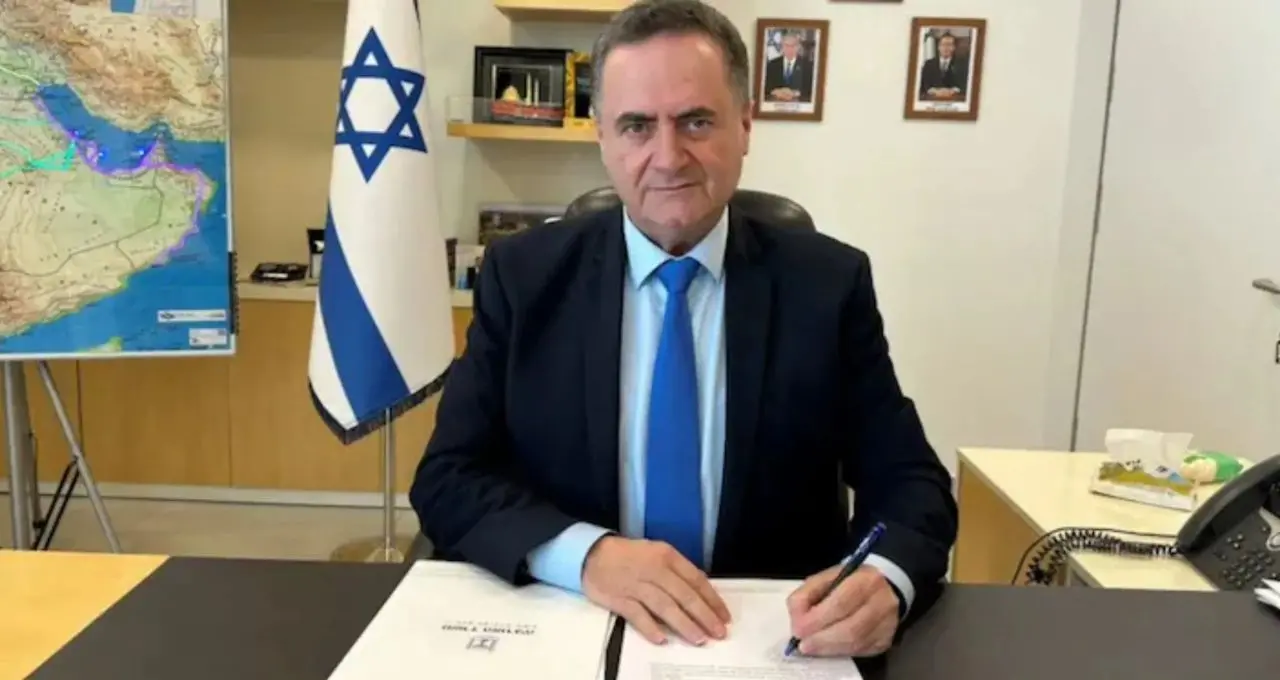
Israeli Defence Minister Israel Katz said the Israeli military would not withdraw from southern Lebanon and would remain indefinitely in security zones established in Lebanon, Syria and Gaza.
The statement further intensified tensions in the region as Israel reiterated its commitment to maintaining its current security posture.
Israeli National Security Minister Itamar Ben-Gvir bly criticised the proposed US-Iran agreement, saying Israel is a sovereign nation and is not obligated to automatically accept any external agreement.
He said Israel is “not anyone’s slave” and that the agreement supported by the US president would not apply to Israel. The remarks triggered debate in diplomatic circles.




According to sources, a potential peace agreement between the United States and Iran could be signed on 19 June in Geneva, Switzerland.
Pakistan Prime Minister Shehbaz Sharif announced the proposed agreement, describing it as a historic step toward regional peace.
If successful, the meeting would mark the first high-level US-Iran talks in several decades and could alter regional diplomacy.
Iran has set three key conditions before signing the agreement.
According to Iranian Deputy Foreign Minister Kazem Gharibabadi, the United States must first take three steps.
Iran said it would not be possible to proceed with any agreement without these conditions being met.
Several countries have welcomed the proposed agreement.
The United Arab Emirates (UAE) and Kuwait described it as a positive step toward regional stability.
The UAE said the agreement could be important for security, economic development and peace, while Kuwait praised the mediation efforts of Pakistan and Qatar.
US President Donald Trump said the agreement could be “a major step toward peace in the world,” although he noted that Israeli attacks had delayed the process.
He also said security conditions in the Strait of Hormuz would gradually improve after the agreement, though experts said the process could take several weeks or months.
Israel Katz reiterated that Israeli forces would not withdraw from the security zones.
He said the military presence in these areas is necessary for Israel’s security.
Katz also said potential terrorist infrastructure in these areas would be completely eliminated and that local security would remain a priority.
The foreign ministers of Iran, Egypt, Iraq and Türkiye held telephone discussions on regional stability.
All parties supported a diplomatic solution and a ceasefire.
However, uncertainty remains due to Israel’s firm position on the proposed agreement.
Indian Prime Minister Narendra Modi welcomed efforts toward the agreement.
India said that if implemented, the agreement could promote peace in the region, facilitate trade and enhance the security of maritime routes.


