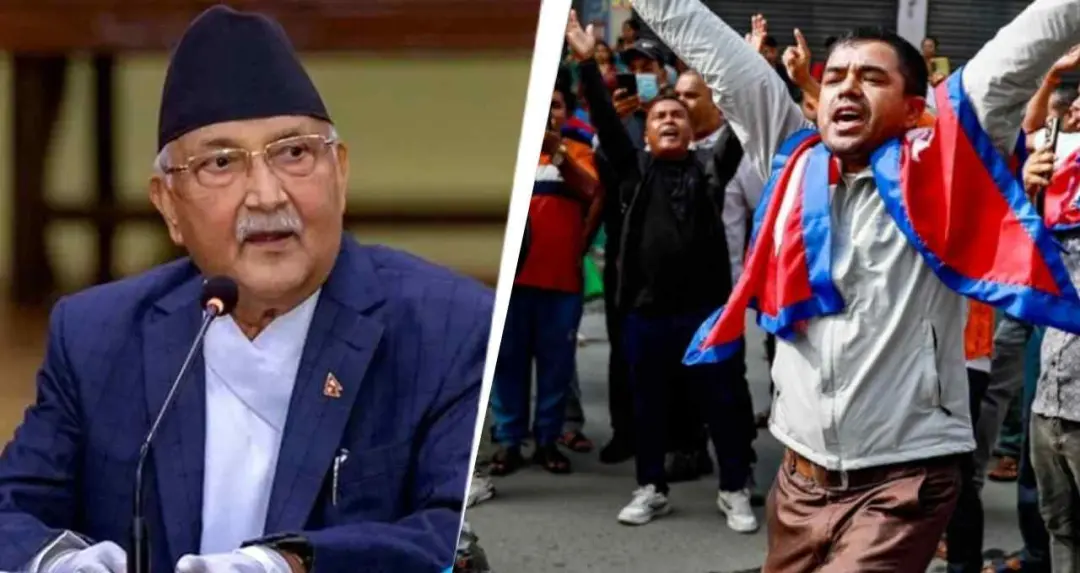
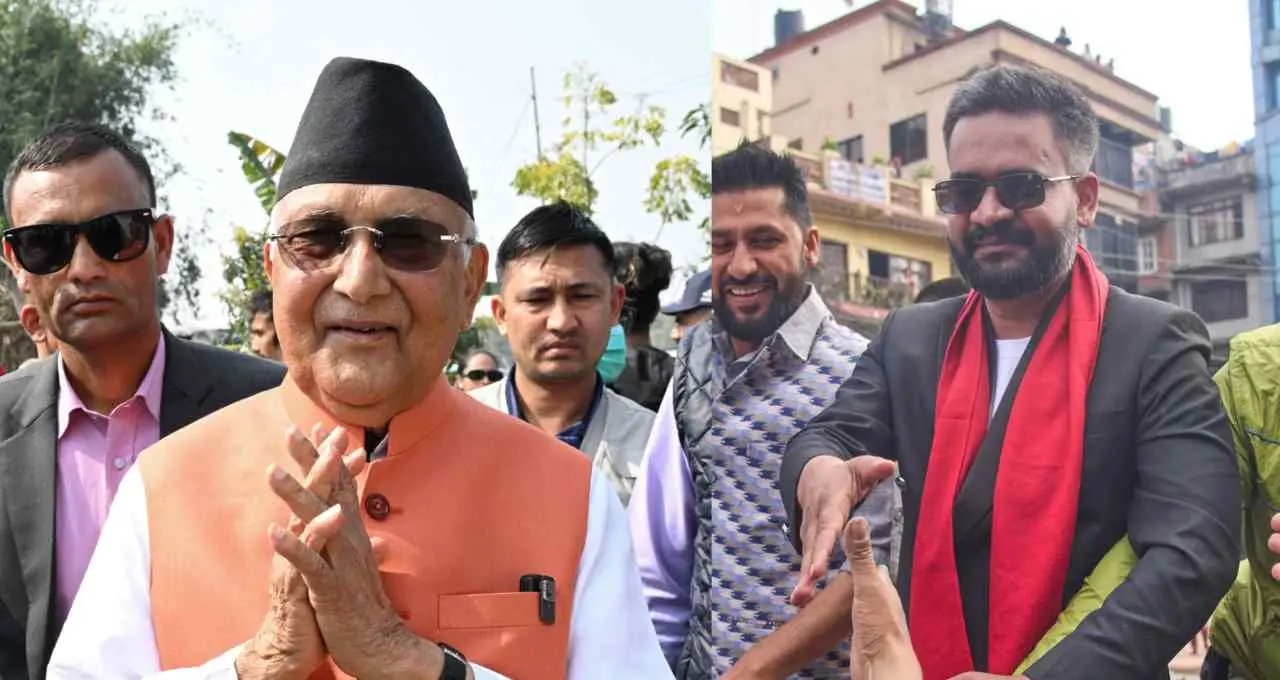
Voting is underway in Nepal, with the electoral contest in Jhapa-5 between K. P. Sharma Oli and Balen Shah drawing attention amid reported dissatisfaction among Gen-Z voters.
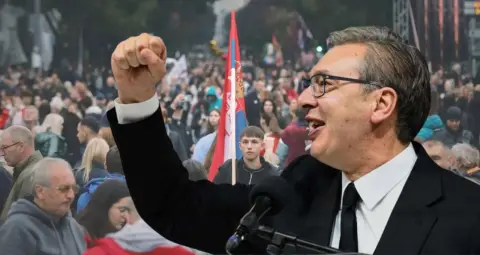
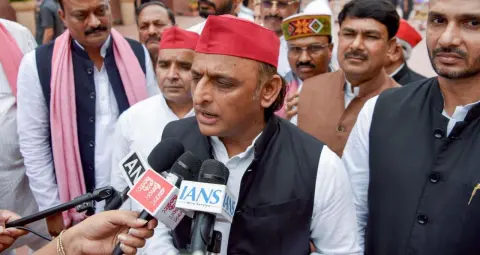
Across several major cities, including Kathmandu, the participation of younger voters has been widely discussed during the ongoing polls. Large numbers of Gen-Z voters have been reported as expressing dissatisfaction with traditional political leadership and calling for a new political approach. In this context, K. P. Sharma Oli, one of Nepal’s most influential political leaders, has again entered the electoral contest.
The Jhapa-5 constituency has emerged as one of the most closely watched races in the election. The seat has long been regarded as a political bhold of K. P. Sharma Oli, who is once again contesting from the constituency.
He is facing a challenge from Balen Shah, the mayor of Kathmandu, who is widely identified with youth-oriented politics. The contest has drawn attention on social media during the election period.
The contest is being viewed by many observers as a confrontation between established political leadership and younger political representation. On one side is Oli, who has decades of political experience, while on the other is Balen Shah, associated with a younger leadership image.
Analysts say the outcome could influence the direction of Nepal’s political landscape, particularly given the potential impact of younger voters.

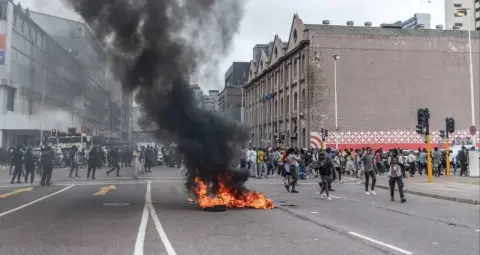
Nepal witnessed large-scale youth protests last year. Demonstrators raised issues including unemployment, corruption, and a social media ban. Thousands of young people participated in demonstrations and raised slogans against the government.
At that time, a coalition government was in power and K. P. Sharma Oli was serving as prime minister. Clashes occurred between police and protesters, and reports emerged that several people were killed during the confrontations. The incidents led to heightened political tensions.
Following the protests, discussions intensified over whether Oli might have to resign and whether his political future could be weakened. However, political circumstances later changed, and he has again entered the electoral contest.
K. P. Sharma Oli was born in 1952. His political life began during the period of Nepal’s Panchayat system, when political parties were banned.
During his teenage years, he was influenced by communist ideology and began participating in movements against the monarchy. In the early 1970s, he became involved in active political activities.
His early political career involved several challenges, and he faced repeated difficulties due to his participation in activities opposing the government at that time.
The Jhapa movement is considered an important event in Nepal’s history. In October 1973, K. P. Sharma Oli was arrested on charges of involvement in activities against the monarchy.
After his arrest, he spent a long period in prison. Reports indicate that he remained imprisoned for about 14 years, including approximately four years in solitary confinement. This period is considered one of the most difficult phases of his political life.
In 1990, Nepal restored multiparty democracy following a popular movement. After that, K. P. Sharma Oli began participating openly in politics.
He joined the Communist Party of Nepal (Unified Marxist–Leninist) and entered parliament. In parliament, he became known as a sharp speaker with a satirical style.
His political communication often included sarcasm and satire, and he became known for delivering sharp responses to political opponents.
K. P. Sharma Oli’s prominence in Nepal’s national politics increased after 2015. That year Nepal adopted a new constitution and tensions also emerged in relations with India.
Protests along the southern border affected the supply of fuel, medicines, and other essential goods for several months. In Nepal, the situation was widely described as an unofficial blockade by India.
Oli linked the issue to national sovereignty and dignity, and his stance gained support from sections of the public.
In the 2017 election, the left alliance received b electoral support. Following the victory, K. P. Sharma Oli became prime minister with a b government and was widely regarded as one of the most influential leaders in Nepal’s politics.
However, internal dissatisfaction later grew within his own party. Amid political differences, he decided to dissolve parliament in December 2020.
The Supreme Court later cancelled the decision and reinstated parliament. Another attempt to dissolve parliament in May 2021 triggered a constitutional crisis, after which he ultimately had to step down from office.