
Pakistan carried out airstrikes in Afghanistan’s Kunar, Khost and Paktika provinces late Tuesday, according to reports, triggering a fresh escalation in tensions between the two neighbouring countries.
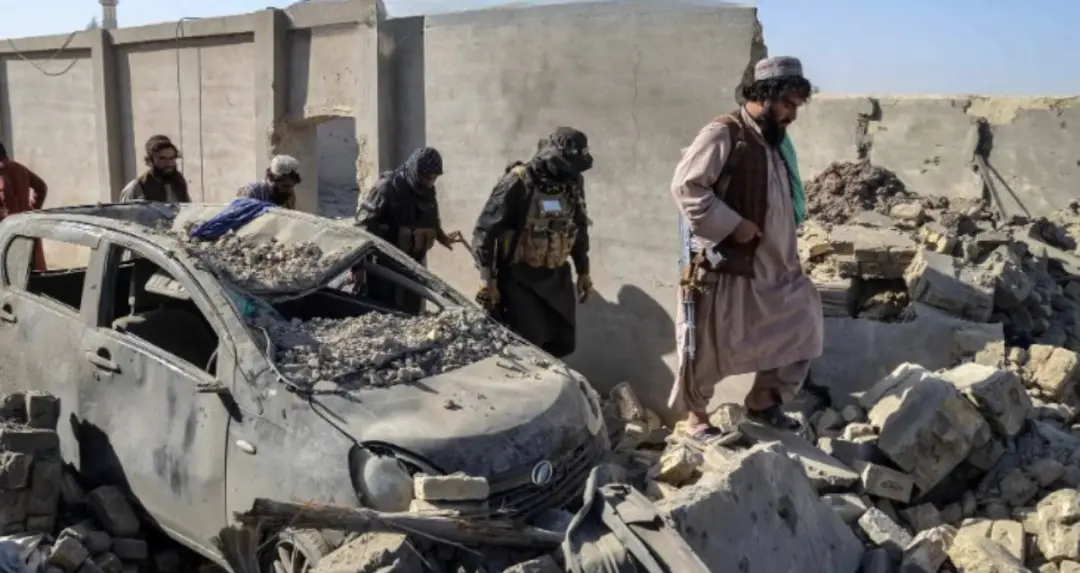
The Taliban administration said 13 civilians were killed in the strikes, including 11 children, one woman and one elderly person. Taliban spokesperson Zabihullah Mujahid alleged that the attacks directly targeted residential areas and said 14 women were seriously injured.
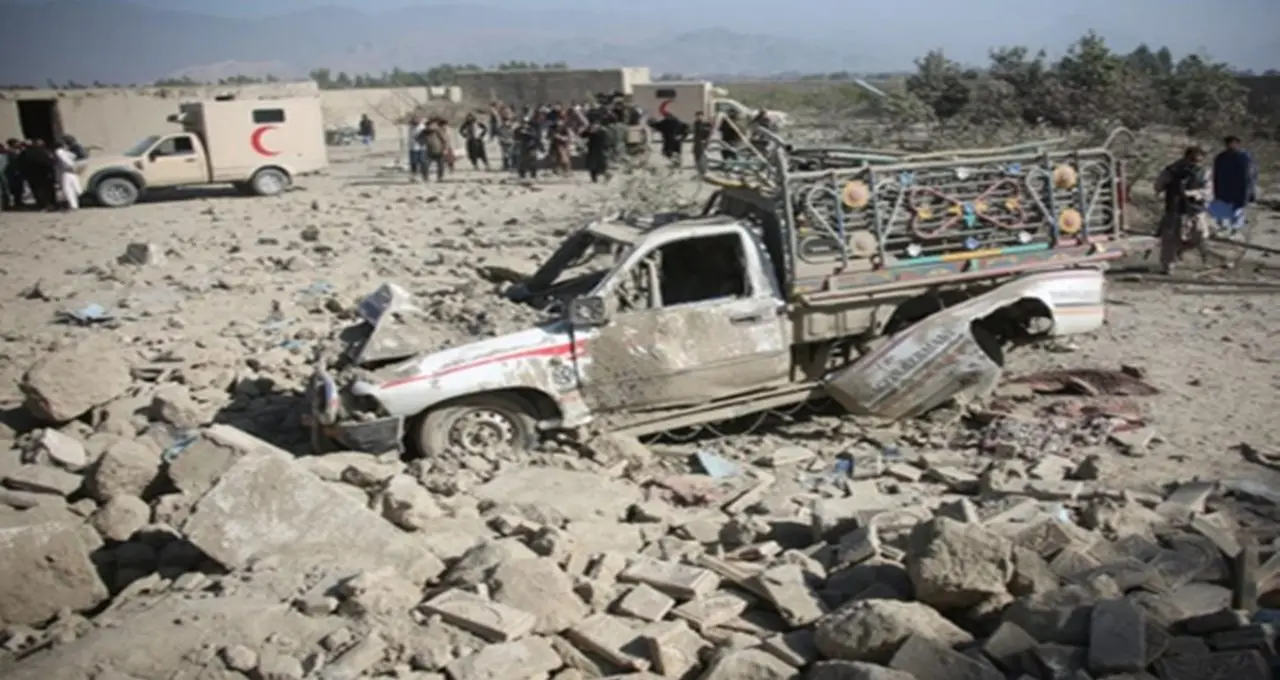
According to the Taliban administration, the strikes were concentrated on civilian locations and affected multiple families. Images circulating on social media appeared to show debris, damaged homes and local residents in affected areas. However, the images and casualty figures have not been independently verified.
The Taliban administration described the incident as a violation of international humanitarian law and accused Pakistan of carrying out military action against civilian areas. It said such operations were unacceptable under any circumstances.
The heaviest impact was reported in eastern and southeastern Afghanistan, particularly in remote mountainous areas of Kunar Province, where relief and rescue operations have reportedly faced difficulties.



Reports also indicated damage to homes and disruption to local communities in Khost Province and Paktika Province. The regions are considered to have limited infrastructure, increasing the impact of military operations on local populations.
Local sources said injured residents have faced challenges accessing timely medical treatment because of inadequate healthcare facilities and the remoteness of affected areas. Several families were reportedly forced to leave their homes and move to safer locations.
Pakistan has long alleged that militant groups use Afghan territory to launch attacks inside Pakistan. Islamabad maintains that cross-border activities have increased threats to its security forces and civilians.
Pakistan considers Tehrik-i-Taliban Pakistan (TTP) its most significant internal security challenge and also describes the Balochistan Liberation Army (BLA) as a serious security threat. Pakistani authorities have alleged that these groups operate from safe havens in areas along the Afghan border, making it difficult to contain militant activities.
According to Pakistan’s security establishment, the recent operation was conducted in response to cross-border security threats, although detailed military information has not been publicly released.
The Taliban administration in Kabul bly condemned the operation, stating that it violated Afghanistan’s sovereignty and that no country has the right to use Afghan airspace in such a manner.
Taliban officials said the military action had further increased tensions in the region and deepened an existing trust deficit between the two countries. They also alleged that several actions by Pakistan over the past year had resulted in civilian casualties.
The Taliban administration further stated that Afghanistan had consistently sought to resolve issues through dialogue, but that cross-border attacks had weakened peace efforts.
Reports indicated that a number of families fled affected areas following the strikes. Local shortages of relief supplies and medical facilities were reported to have worsened the humanitarian situation.
An increase in the number of injured people seeking treatment has placed additional pressure on healthcare resources. Reports also indicated disruptions to electricity, water and communications services in some areas, affecting relief operations.
Relations between Pakistan and Afghanistan have long been marked by tensions over border disputes, refugee issues and security concerns.
Pakistan has maintained that a stable and cooperative Afghanistan is important for its internal security, while Afghanistan has repeatedly accused Pakistan of violating its sovereignty. These disputes have contributed to persistent mistrust between the two countries.
Periodic border clashes and mutual allegations over airstrikes have further complicated bilateral relations. Diplomatic engagement has been initiated on multiple occasions, but no lasting resolution has been reached.
The latest tensions come amid broader geopolitical challenges globally. Members of the international community have continued to urge both countries to exercise restraint and pursue diplomatic solutions.
Experts have warned that if such military actions continue, the consequences could extend beyond Pakistan and Afghanistan, affecting regional stability and economic activity.
Cross-border conflict could also place additional pressure on trade routes, refugee movements and security cooperation, potentially intensifying existing challenges across South Asia.


