

Reports indicate that U.S. President Donald Trump has warned Israeli Prime Minister Benjamin Netanyahu against launching large-scale military strikes on Iran, saying that further escalation could undermine a potential U.S.-Iran agreement and deepen regional tensions.
According to reports, Trump spoke directly with Netanyahu by phone and cautioned that if Israel undertakes a major military operation against Iran, it could face increased international isolation. Axios reported that Trump told Netanyahu, “Bibi, be careful, or you will soon find yourself alone.”
Tensions between Iran and Israel have intensified in recent weeks. Following Israeli strikes on Hezbollah-linked sites in Beirut, the situation worsened after Iran launched missile attacks against Israel.
Israel subsequently carried out limited military operations inside Iran. The developments have raised concerns about the possibility of a wider regional conflict. At the same time, the United States has been attempting to contain the confrontation and keep diplomatic channels open.
According to reports, the Trump administration’s primary concern is that expanding Israeli military action could derail a potential agreement between the United States and Iran.




Discussions within the White House have reportedly focused on the possibility that a broader conflict could increase regional instability and have significant consequences for global energy markets and diplomatic efforts.
Trump believes that some form of agreement between the United States and Iran remains possible, but that reducing tensions is necessary to achieve it.
Israeli Prime Minister Benjamin Netanyahu has stated that Israel will not allow Iran to acquire nuclear weapons under any circumstances. He has maintained that Israel cannot compromise on its security and will continue military operations if necessary.
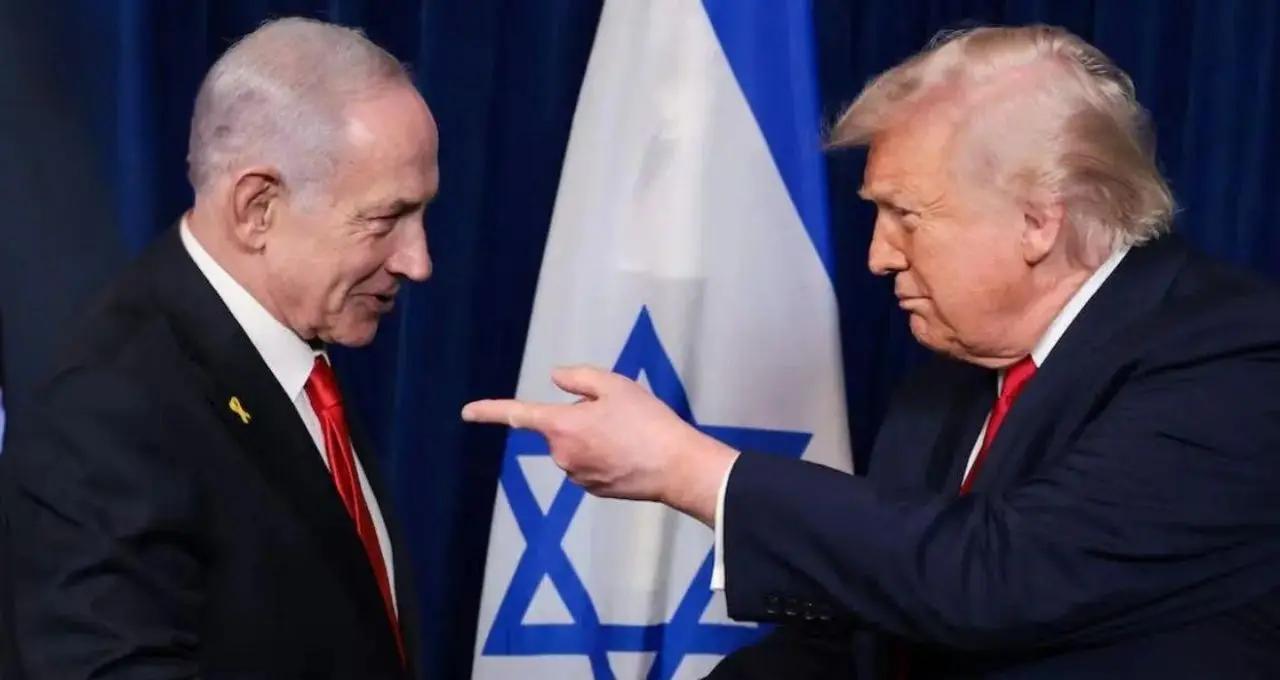
However, reports indicate that after U.S. pressure, Israel has agreed for now to refrain from launching a large-scale military campaign, provided Iran also halts its attacks.
Recent developments extend beyond Iran and Israel, with broader implications across West Asia. Yemen’s Houthi rebels have warned that they could target Israeli-linked vessels in the Red Sea, raising concerns about global trade and oil supplies.
Military activity has also increased in border areas of Lebanon and Syria, contributing to wider regional instability.
Growing tensions have contributed to volatility in international oil markets. Prices of both Brent crude and WTI have fluctuated as investors assess the risks associated with the conflict.
Market participants are concerned that any disruption affecting the Strait of Hormuz could interfere with global oil supplies.
Analysts say the situation presents a potential risk to the global economy, particularly for countries heavily dependent on energy imports.
The United States is pursuing a dual-track approach, supporting Israel’s security while also seeking to maintain dialogue with Iran.
Calls for de-escalation have also been made through the United Nations and other international forums. The stated U.S. objective is to prevent a broader regional war.
Countries including those in Europe, as well as Russia and China, are closely monitoring developments. Various parties have urged restraint.
According to international experts, a further escalation of tensions could have serious implications for the global economy, energy security, and diplomatic relations.
In response to the tensions, several countries have advised their citizens to exercise caution regarding travel to Iran and nearby regions. India has also advised its citizens to remain vigilant and is continuing to monitor the situation.
Members of the Indian diaspora, particularly in Gulf countries, have expressed concern about the potential impact of escalating tensions on their security and employment.


