The United States carried out air and missile strikes on multiple Iranian military sites for a 12th consecutive night, while Houthi rebels in Yemen targeted two Saudi-linked oil tankers in the Red Sea with missiles and drones, raising concerns over global energy supplies and maritime trade.
According to the U.S. Central Command (CENTCOM), the latest operations targeted missile storage facilities, drone infrastructure, coastal defence systems and other military installations in Iran. The U.S. military said the operations were intended to reduce Iran's missile capabilities, drone network, maritime military assets and air defence systems. U.S. officials stated that multiple Iranian military sites have been targeted during the month, while maritime surveillance and security operations in the region have also been increased.
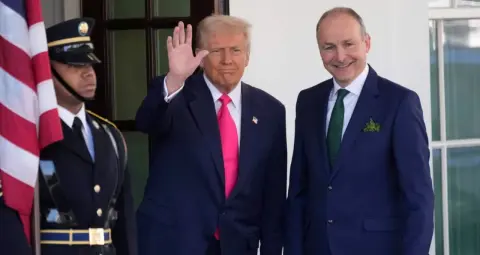
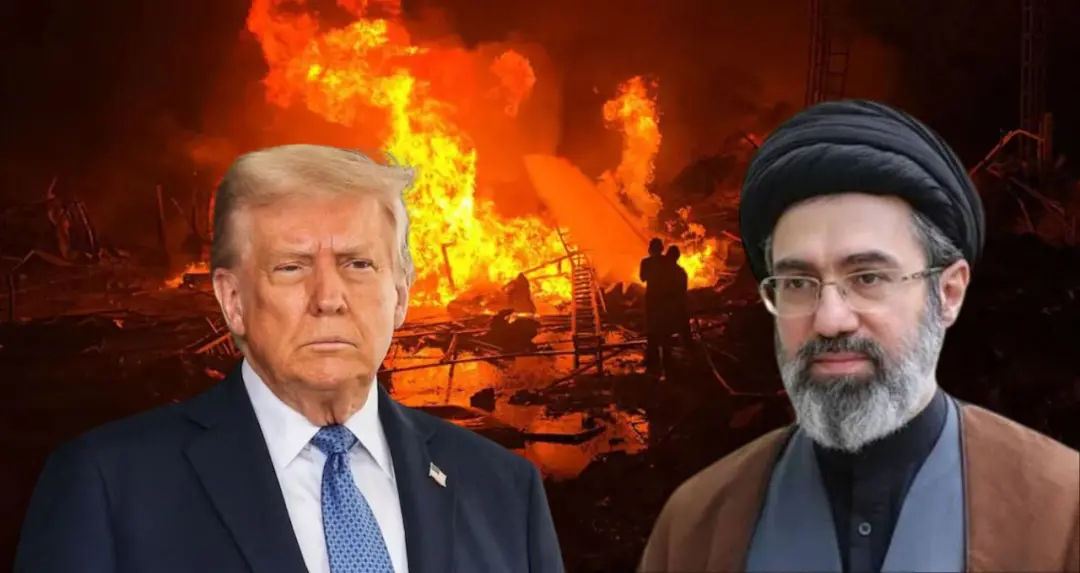
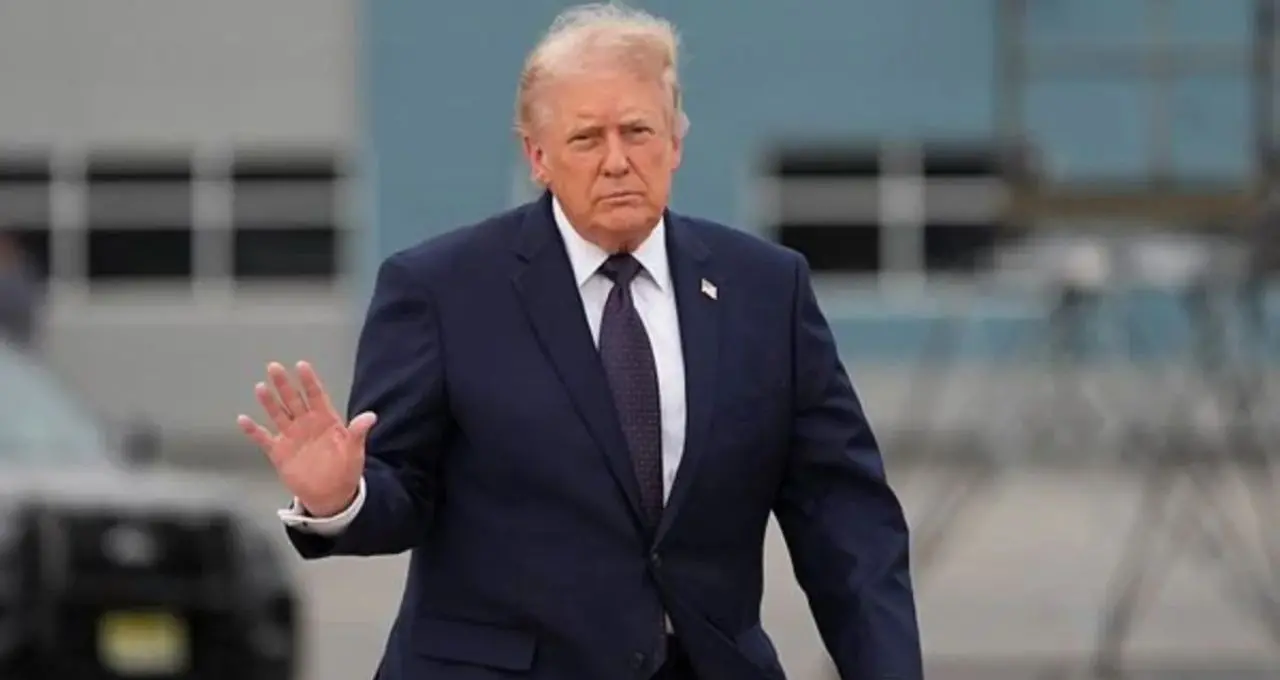
U.S. President Donald Trump said military pressure on Iran was continuing to increase and that the country was "suffering considerable damage." He also said Tehran did not currently appear ready to reach an agreement. Trump added that although Iran was showing an interest in talks, it was not prepared for a final agreement. He warned that if any international vessel were attacked in the Strait of Hormuz, the United States could take more severe action against Iran's strategic infrastructure.




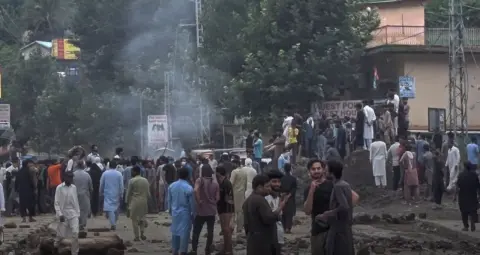
Iranian officials said air and missile strikes were reported at multiple locations in the provinces of Khuzestan, Bushehr, Hormozgan and Ilam. Military installations and security sites were reported to have been targeted in some areas. Reports also emerged of strikes near the Shalamcheh border crossing on the Iran-Iraq border. Local officials said two people were reported killed in the area, while damage assessment was continuing. Local authorities also confirmed missile strikes in Bushehr Province and the Andimeshk region.
Iran's Islamic Revolutionary Guard Corps (IRGC) claimed an oil tanker caught fire after an explosion in the Strait of Hormuz. The organisation also claimed it was maintaining close surveillance of maritime activity in the area. The claim could not be independently verified. The Strait of Hormuz is regarded as a critical route for global energy supplies, and instability in the area has an immediate impact on international oil markets.
Separately, Houthi rebels in Yemen targeted two Saudi-linked oil tankers in the Red Sea using missiles and drones. Saudi authorities confirmed the attack. The United Kingdom Maritime Trade Operations (UKMTO) also reported an attack on a vessel near the Saudi coast. The Houthi group warned international shipping companies to stay away from Saudi ports. Experts said continued attacks could affect global trade and oil supplies passing through the Bab el-Mandeb Strait.
Amid the conflict with Iran, the U.S. House of Representatives narrowly approved a proposed defence budget worth $95 billion. The proposal will now move to the Senate for consideration. The budget includes additional funding for defence preparedness, national security and other strategic requirements. Republican lawmakers described it as necessary for national security, while Democratic lawmakers argued for greater spending on domestic priorities.
The U.S. Department of Defense said the current conflict has already resulted in military expenditure worth billions of dollars. As regional tensions increased, international crude oil prices also rose. Brent crude moved above $92 per barrel, while WTI crude traded above $85 per barrel. Analysts said further escalation in the Strait of Hormuz or the Red Sea could have a broader impact on global energy markets.
U.S. agencies also issued alerts over the possibility of Iran-backed cyberattacks. Government institutions, energy companies and critical digital networks were advised to adopt additional security measures. Experts said modern conflicts extend beyond conventional military operations to include cyberattacks, maritime security and global supply chains.
The continuing military confrontation between the United States and Iran has heightened tensions across the Middle East. Houthi activities have also increased instability in the Red Sea and the Bab el-Mandeb Strait. Analysts said continued escalation on both fronts could affect global energy supplies, maritime trade and international diplomatic efforts.