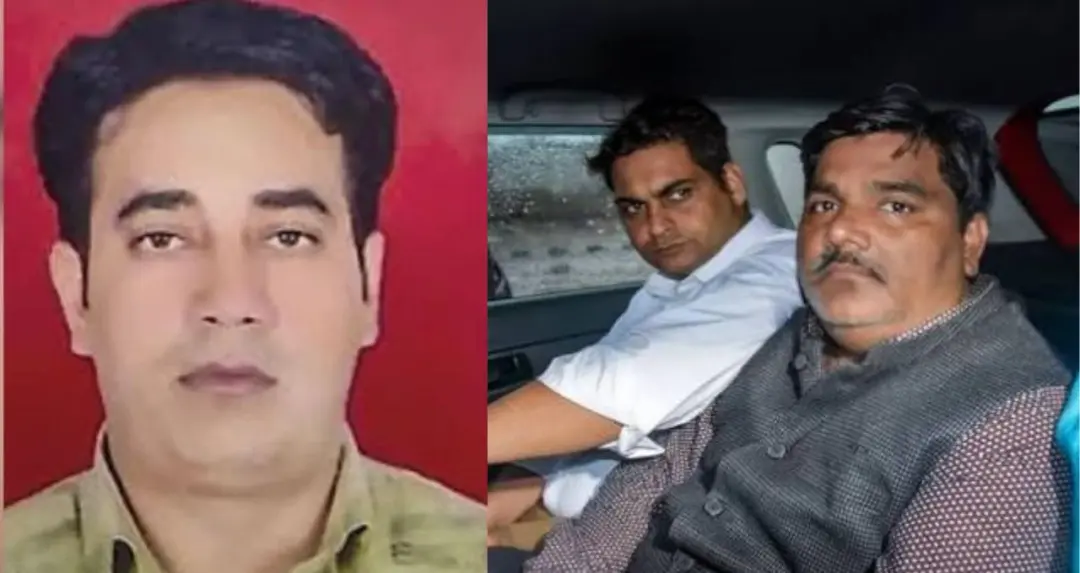
A Delhi court is scheduled to pronounce the sentence on Thursday for former Aam Aadmi Party (AAP) councillor Tahir Hussain and four other convicts in the 2020 Delhi riots case related to the killing of Intelligence Bureau (IB) officer Ankit Sharma. The Karkardooma Court had recently convicted the five accused while acquitting six others due to lack of evidence.
Following a trial that lasted nearly six years, the court delivered its verdict on July 13, convicting Tahir Hussain, Nazim, Kashim, Anas and Javed. The court held that the prosecution had successfully proved the charges against them based on the evidence presented. Six of the 11 accused were acquitted after the court found insufficient evidence against them.
The court will now determine the quantum of sentence after considering the role of each convict, the gravity of the offences, and submissions made by both the prosecution and the defence.




According to Delhi Police, IB officer Ankit Sharma left his home again after returning from work on February 25, 2020, but did not return later that night. His family began searching for him. The following day, his body was recovered from the Khajuri Khas drain near the Chand Bagh culvert. According to the post-mortem report, his body bore multiple serious injuries.
Ankit Sharma's father, Ravinder Kumar, filed a complaint at Dayalpur Police Station alleging that then AAP councillor Tahir Hussain and his associates had murdered his son. The complaint stated that the accused had gathered in a building and, after the killing, disposed of the body in the drain.
During the investigation, Delhi Police presented witness statements, forensic reports, call detail records, electronic evidence and other material before the court. Following the trial, the court convicted five of the accused.
The court convicted Tahir Hussain and the other four accused on charges including murder, kidnapping, rioting, promoting enmity between different communities and other related criminal offences. The prosecution argued that the accused had played an active role during the violence and that the evidence was sufficient to establish their guilt. The defence denied the allegations and maintained that the accused were innocent. The court, however, convicted them based on the evidence on record.
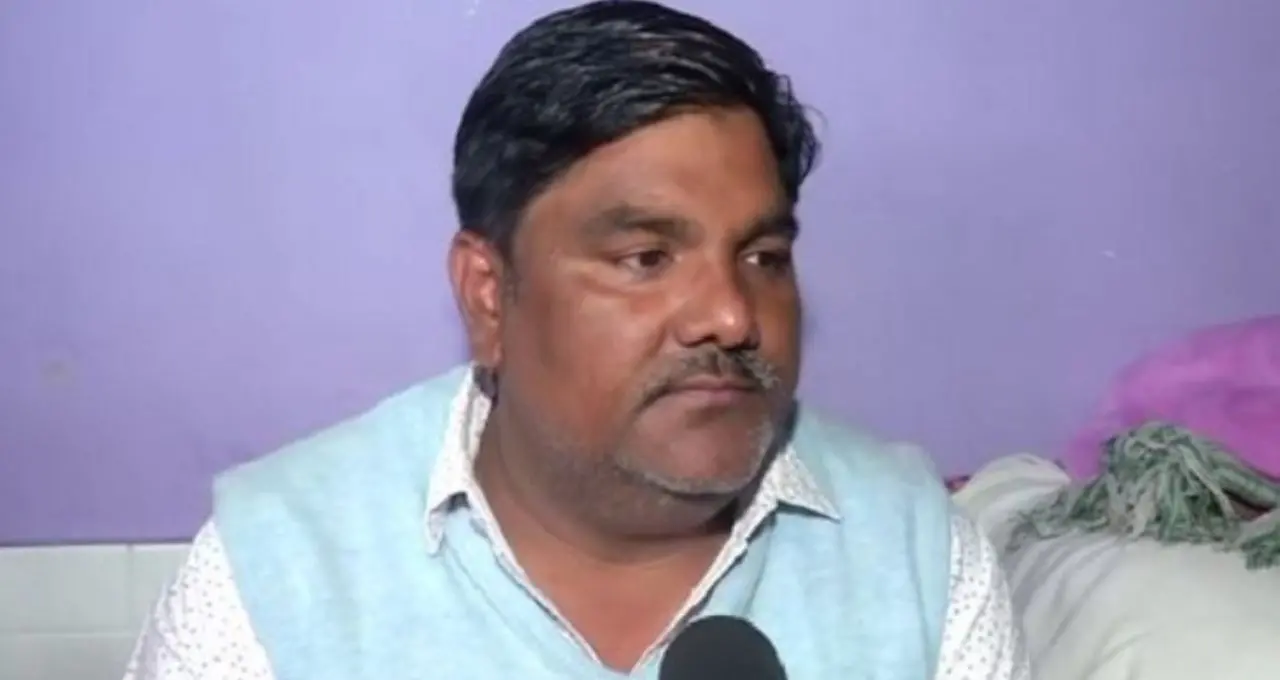
Violence broke out in several parts of northeast Delhi in February 2020 during protests supporting and opposing the Citizenship Amendment Act (CAA). The riots, which continued from February 23 to February 26, claimed 53 lives and left more than 250 people injured. Numerous houses, shops and vehicles were damaged, while incidents of arson and stone-pelting were reported in several areas. Delhi Police registered multiple FIRs and launched investigations into various riot-related cases, including the killing of Ankit Sharma.
After his name emerged in the Ankit Sharma murder case, the Aam Aadmi Party suspended Tahir Hussain. He later explored other political options. In the February 2025 Delhi Assembly election, Hussain contested the Mustafabad Assembly constituency on an All India Majlis-e-Ittehadul Muslimeen (AIMIM) ticket. He was granted custody parole by the court to campaign. Bharatiya Janata Party candidate Mohan Singh Bisht won the election, while Hussain finished third with approximately 33,000 votes.
Following the conviction, the court will decide the sentence to be imposed on Tahir Hussain and the other convicts. Under Indian law, a conviction for murder may attract life imprisonment or other punishments depending on the circumstances. While determining the sentence, the court will consider the nature of the offence, the role of the convicts, and the submissions made by both the prosecution and the defence.
The sentencing order will mark the next legal stage in one of the most prominent cases arising from the 2020 Delhi riots.