
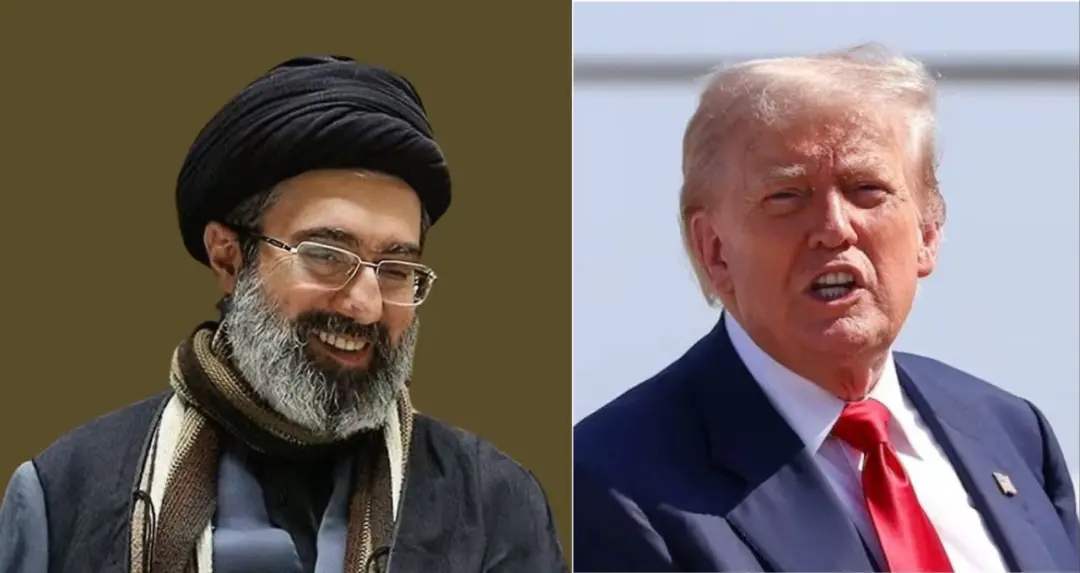
Recent efforts toward a peace understanding between the United States and Iran have drawn renewed attention following a new U.S. intelligence assessment that, according to a CNN report, warns of Iran’s growing strategic capabilities after the recent conflict. U.S. intelligence agencies have reportedly assessed that Iran has emerged in a ber strategic position and now possesses the capability to disrupt the Strait of Hormuz if required, a route widely regarded as one of the most important channels for global oil supplies.
According to U.S. intelligence agencies, Iran’s military and non-conventional capabilities have increased significantly. The assessment states that Iran is now capable not only of engaging in direct military confrontation but also of employing strategies that could affect the global economy. Sources cited in the report said this capability places Iran in a position to influence international trade and energy supplies. Some U.S. officials reportedly described this influence as an effective “strategic weapon” whose impact could, in some cases, exceed that of conventional military assets.
The Strait of Hormuz remains one of the world’s most critical maritime routes, through which a substantial share of global oil supplies passes. According to the report, any disruption of the passage by Iran could directly affect international oil prices and the global economy. The U.S. intelligence assessment also stated that Iran, with the support of Houthi rebels in Yemen, could create tensions in the Bab-el-Mandeb Strait. Such a development could affect two major global maritime trade routes simultaneously and deepen risks to international commerce.




The report stated that international efforts are continuing to maintain partial stability along maritime routes despite recent tensions. The impact has also been observed on maritime trade linked to India. According to available information, around 34 vessels remain stranded in the Persian Gulf, several of them connected to Indian interests.
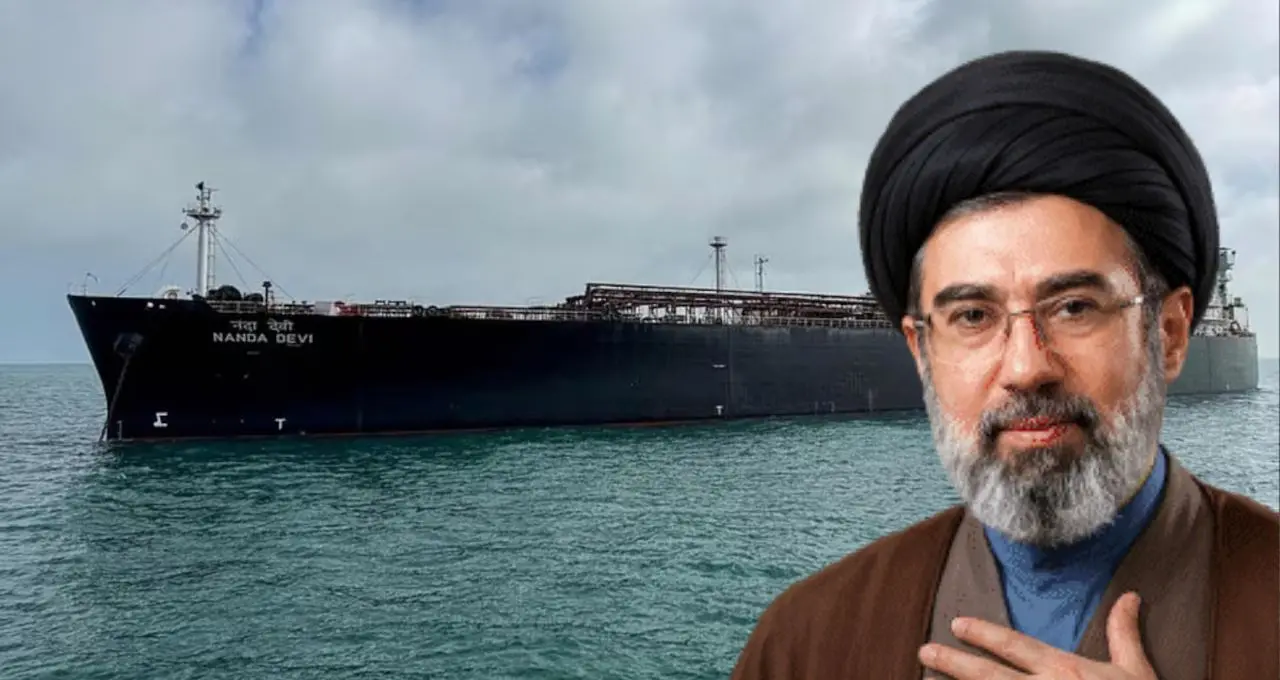
The vessels include ships carrying fertilizers and related commodities, including urea, DAP, sulfur and ammonia. However, an Indian LNG tanker has reportedly crossed the Strait of Hormuz safely, which has been viewed as an indication of limited stability in the region.
The U.S. military has claimed that Iran’s Islamic Revolutionary Guard Corps (IRGC) launched drones toward commercial vessels operating in the Hormuz region. According to U.S. officials, the drones were intercepted in time, preventing a potential threat. The incident has been cited as a serious challenge to maritime security, indicating that tensions remain active at a military level as well as a political one.
Differences have also emerged within the U.S. administration regarding the preliminary peace memorandum of understanding between Washington and Tehran. CIA Director John Ratcliffe has reportedly expressed doubts about Iran’s commitments. Secretary of State Marco Rubio has argued that Iran may not take the expected steps regarding its nuclear programme. Defense Secretary Pete Hegseth has also voiced concerns about the agreement. In contrast, Vice President JD Vance and several other senior officials support moving forward with the arrangement, arguing that negotiations remain the path toward a lasting resolution.
Former President Donald Trump has defended the agreement, stating that Iran would not receive direct economic benefits from the United States under any circumstances. He has said that the arrangement is not a mechanism for financial assistance but is based on strict sanctions and conditions. Trump also indicated that the full document could be made public in the coming days to provide greater transparency.
Regional organisations and leaders have also reacted to the developments. Hezbollah leadership described Iran as a “just country” and expressed gratitude for its support. At the same time, tensions between Lebanon and Israel have remained a subject of discussion amid ongoing regional conflicts. Some leaders have expressed concern about the prolongation of war and its impact on civilians.
China has also commented on the U.S.-Iran talks, warning that the process will not be easy. According to the Chinese foreign minister, the next phase of negotiations could be more difficult and all parties would need to continue their efforts to achieve lasting peace. The remarks underscore the growing involvement of global powers in developments surrounding the U.S.-Iran dialogue.


