US Tightens Visa Regulations Following Security Measures, Affecting Over 85,000 Visas
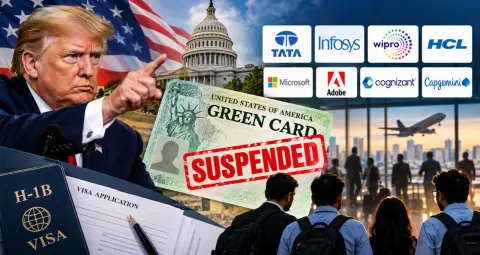
Following recent security measures implemented in the United States, the administration of President Donald Trump has significantly tightened visa regulations, resulting in the cancellation of over 85,000 visas. This move particularly impacts Indian applicants, who are facing increased challenges due to stricter H-1B rules, extended processing times, and social media scrutiny.
H-1B Visa Rules: Increased Scrutiny and Delays
In response to recent terrorist attacks in the US, the Trump administration has implemented more stringent visa policies. To date, over 85,000 visas have been revoked, highlighting a prioritization of security. This has created significant difficulties for Indian visa applicants, especially those seeking to work in the US under the H-1B visa program. The new policy features a longer, more complex, and stricter visa review process, leading to delays and uncertainty for many applications.
85,000 Visas Cancelled, Students Most Affected
According to the US State Department, a total of 85,000 visas have been cancelled from January onwards. This includes over 8,000 student visas, representing more than double the number from the previous year. These figures demonstrate the administration’s firm stance on immigration enforcement and border security. The primary reasons for these cancellations include driving under the influence, theft, and assault. Additionally, visas have been cancelled due to visa expiration, suspected links to terrorism, and other serious concerns.
Security as the Primary Justification
The State Department’s post features a picture of President Trump with the message “Make America Safe Again,” underscoring the central role of security in this action. The administration has stated that no concessions will be made regarding immigration. Recent measures have included the revocation of visas for individuals accused of celebrating the death of Charlie Kirk, a conservative activist.
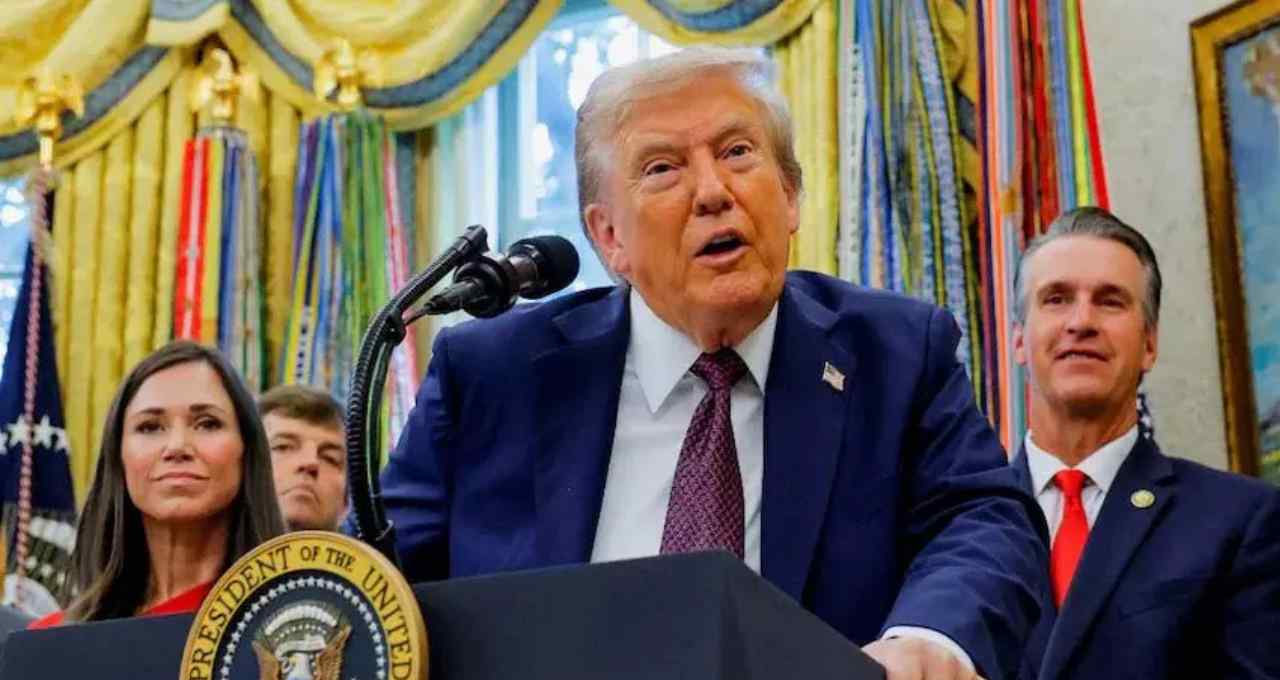
Following a recent attack on the White House, these regulations have been further tightened. During President Trump’s second term, monitoring of visa applications and visa holders has become significantly more rigorous.
Impact of New Social Media Screening in India
The US Embassy in India has announced a new social media screening policy, raising concerns among H-1B visa applicants. The Embassy’s advisory states that all visa applicants must make their social media profiles “Public” by December 15th. Failure to do so may result in visa rejection. Furthermore, interviews scheduled for December and January have been postponed to March 2026 or later. The Embassy has also clarified that applicants arriving for existing interview slots will not be admitted.
Increased Challenges for Indian H-1B Visa Seekers
The H-1B visa has long been the most important avenue for Indian tech professionals to secure employment in the US. With the new policy, Indian applicants must now be more vigilant than ever. The social media verification process has further complicated the application procedure.
This could lead to delays in job offer joining dates, delays in company onboarding, and increased pressure on applicants to prepare. Students and researchers are also concerned, as there has been a significant surge in the cancellation of student visas.
How to Prepare for the New Regulations
Visa applications in the US are no longer solely based on document verification but also involve a detailed examination of a digital footprint – social media activity. Therefore, Indian applicants should review their social media profiles, remove any controversial or negative content, and ensure their identity and information are accurate, clear, and publicly available.
Furthermore, it is crucial to keep passports, job offer letters, educational documents, and other essential paperwork up to date. Regularly checking the embassy website for interview dates and adhering to new advisories are also essential.