The tradition of seating the bride on the groom's left side in Hindu weddings is linked to religious, cultural, and symbolic beliefs. It is associated with the concept of the wife as 'Vamangi', a symbol of love and good fortune, and the Vishnu-Lakshmi tradition. This practice conveys a message of balance, respect, and spiritual unity in the marital relationship.
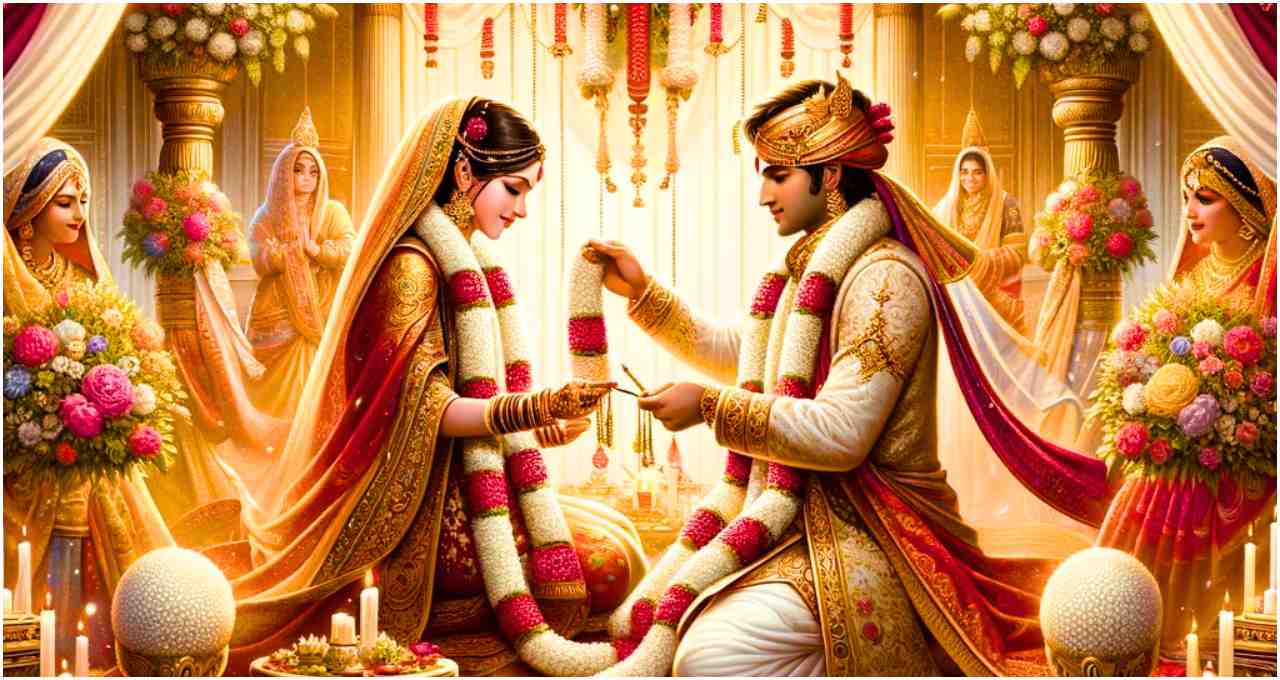
Why the bride sits on the left: The tradition of seating the bride on the groom's left side in Hindu weddings is observed from the wedding mandap to the farewell (Vidai). This custom is seen in weddings across the country and is connected to the 'Vamangi' concept, the Ardhanarishvara principle, and the Vishnu-Lakshmi tradition as described in scriptures. According to this belief, the wife is considered a symbol of love, prosperity, and good fortune, which is why she is given a place on the groom's left side. This practice signifies balance, respect, and spiritual connection in the husband-wife relationship.
Importance of Rituals in Hindu Weddings
Rituals in Hindu weddings often span several days. Every tradition, such as Haldi, Mehendi, Sangeet, Baraat, and Saptapadi (seven vows), conveys a message of love, happiness, and prosperity in the couple's life. The seating arrangement of the bride and groom holds special significance in these rituals.
The tradition of seating the bride on the groom's left side is observed from the wedding mandap to the farewell (Vidai). In many families, this custom is also followed in all auspicious ceremonies after the wedding, such as Griha Pravesh (housewarming), Puja (worship), Teej-festivals, and other religious rituals. Adhering to this tradition is not just about following a rule; it also adds a religious sentiment that reflects the depth of the husband-wife relationship.
Special Status of the Wife in Scriptures
In Hindu scriptures, the wife is referred to as 'Vamangi'. 'Vam' means left direction, and 'Angi' means a part or limb. This implies she is entitled to the left side of the husband.
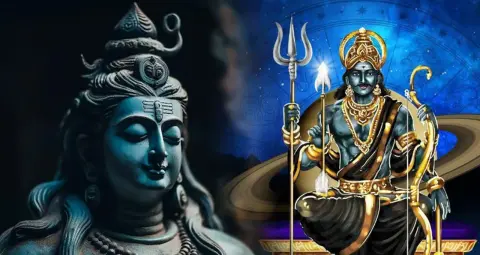
There is also a belief in the scriptures that woman originated from the left side of Lord Shiva. A clear symbol of this is found in Shiva's Ardhanarishvara form, where half the body is Shiva's and the other half is Goddess Shakti's. This form signifies the equal importance and complementary nature of male and female.




Based on this idea, the bride is given a place on the groom's left side, i.e., in the 'Vam' direction, during marriage. This is not merely a religious injunction but a symbol of accepting the unity of husband and wife.
Symbol of Love and Tenderness
In Hinduism, the right side symbolizes strength, responsibility, and duty, while the left side represents tenderness, love, and sensitivity. It is believed that marriage is not just a duty but a relationship of love and harmony.
Seating the bride on the left side represents the idea that she brings love, gentleness, and stability into her husband's life. This position signifies the dignity and intimacy of the loving relationship between husband and wife, spiritually strengthening their bond.
Belief Connected to the Heart
A popular and emotional belief is that a man's heart is located on the left side of his body. Seating the bride on the husband's left side reflects the idea that the wife is closest to her husband's heart.
This concept is symbolically manifested in wedding rituals. It is believed that sitting on the left side fosters closeness, trust, and love in the husband-wife relationship. This is a human sentiment connected not only to tradition but also to the harmony of domestic life.
Religious Belief Connected to the Vishnu-Lakshmi Tradition
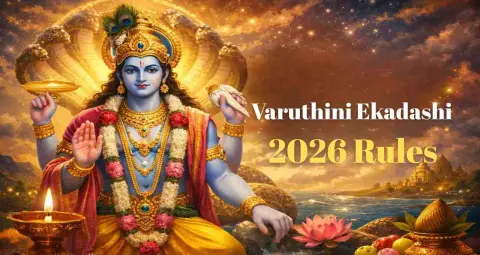
In Hinduism, the groom is considered a form of Vishnu and the bride a form of Lakshmi. Many religious texts describe how Goddess Lakshmi is always seated on the left side of Lord Vishnu. This position symbolizes prosperity and auspiciousness.
When the bride is considered the Lakshmi-form of the groom in marriage, seating her on the left signifies the arrival of happiness, good fortune, and wealth in the home. Many families associate this tradition with the prosperity of the family and consider it an auspicious sign.
Social and Cultural Interpretation
Along with religious beliefs, this practice is also socially significant. Traditions that have been followed for centuries in Hindu society strengthen the feeling of equality and complementarity between husband and wife.
Placing the bride on the left side indicates a balance between the man's duty (right side) and the woman's love (left side). This balance is considered the foundation of married life.
From a modern perspective, this practice can also be seen as a symbol of the spiritual partnership and equal rights in the husband-wife relationship.
Ardhanarishvara Principle and Marital Balance
Ardhanarishvara, the combined form of Shiva and Shakti, represents the equal contribution of male and female in marriage. This form is not only spiritual but also significant in conveying the message that both have equal importance in marriage.
The bride sitting on the groom's left side serves as a reminder of this concept: that the couple together charts the course of life. This balance forms the cornerstone of the husband-wife relationship.
Practical Understanding Behind the Tradition
Some scholars believe that this tradition was not established solely for religious reasons but also includes practical understanding. During wedding rituals, the groom often performs puja (worship) with his right hand. In such a scenario, the bride sitting on the left side is considered practical and natural.
Over time, this practicality became intertwined with religious symbolism and subsequently evolved into a permanent cultural norm.
The Message Behind the Bride Sitting on the Left
Considering all these beliefs together, it becomes clear that the purpose of this tradition is not merely to perform rituals but to honor the husband-wife relationship.
This custom signifies that the wife is considered a source of love, good fortune, and happiness. After marriage, her place in her husband's life is not just emotionally but also spiritually significant.