
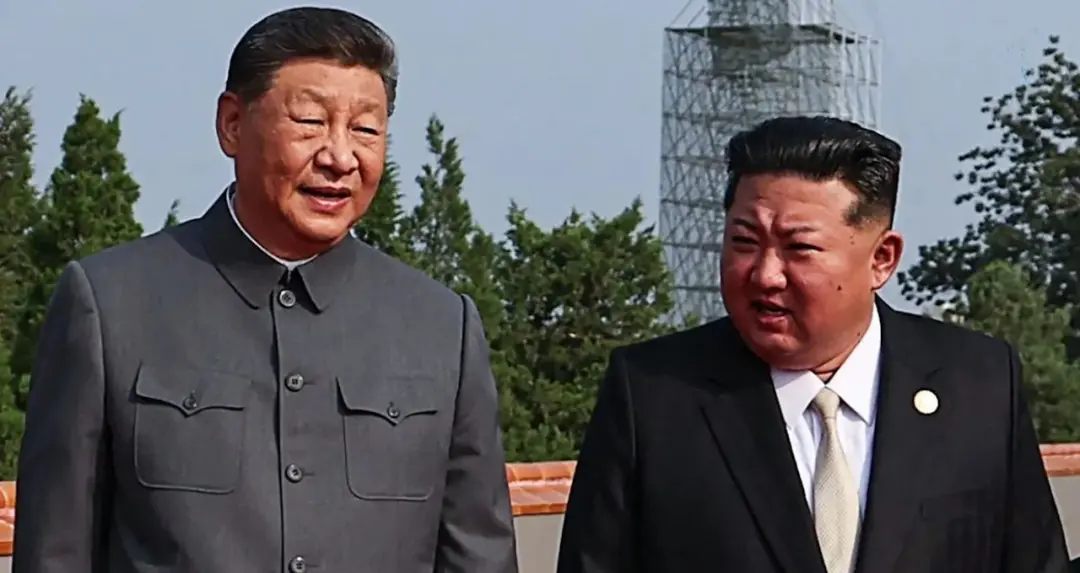
Chinese President Xi Jinping arrived in North Korea’s capital, Pyongyang, on Tuesday, where he is scheduled to hold talks with North Korean leader Kim Jong Un. The visit marks Xi’s first official trip to North Korea since 2019 and comes amid ongoing tensions between the United States and China, the Russia-Ukraine war, and continued instability on the Korean Peninsula.
Analysts say the visit extends beyond formal diplomacy and could influence the balance of power in the Asia-Pacific region. China is seeking to reinforce its influence over North Korea, a longstanding ally.
North Korea implemented extensive security measures in Pyongyang for Xi’s arrival. Large numbers of soldiers were deployed at the airport and surrounding areas, and a formal military welcome was held. According to state media, the city was specially decorated, with banners highlighting the “unbreakable friendship” between the two countries.
Video released by Chinese state media showed North Korean soldiers lined up as Xi’s aircraft landed, while security convoys operated under tight control. The scenes reflected the strategic relationship between Beijing and Pyongyang.
Several major issues are expected to be discussed during the high-level meeting. The North Korean nuclear program is likely to be among the central topics, alongside North Korea’s relations with the United States and South Korea.




Reports indicate that expanding military and economic ties between Russia and North Korea may also feature prominently in the discussions. Trade, energy cooperation, and regional security are also expected to be addressed.
Growing ties between Russia and North Korea in recent years have posed challenges to China’s strategic position. Military cooperation between Moscow and Pyongyang has accelerated following the Russia-Ukraine war.
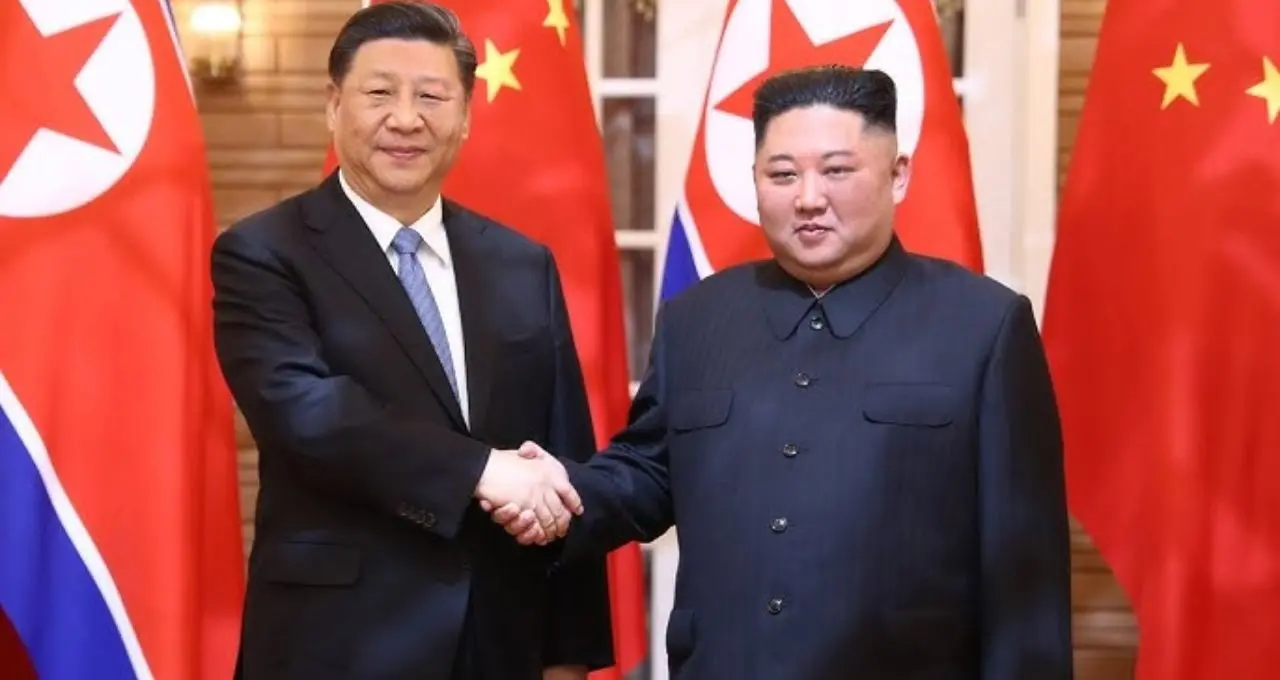
It is widely believed that North Korea has provided military personnel and weapons support to Russia, while receiving economic assistance and energy resources in return. This development has raised concerns in Beijing, where policymakers view North Korea’s increasing engagement with Russia as a factor affecting China’s traditional influence.
North Korea has long regarded the United States and South Korea as its principal adversaries. Tensions in the region have persisted due to North Korea’s nuclear tests and ballistic missile programs.
North Korea has conducted military exercises and missile tests on multiple occasions, drawing concern from the international community. In this context, China could position itself as a potential mediator, while also seeking to maintain regional stability and preserve its strategic influence.
Relations between Russia and North Korea have strengthened significantly in recent years. Following the war in Ukraine, Russia sought military equipment and support, with North Korea emerging as an important partner.
In exchange, Pyongyang has reportedly received economic assistance, oil supplies, and technical cooperation. The growing partnership is viewed as strategically significant for both Asia and Europe because of its potential implications for regional security.
China and North Korea have maintained close relations for decades and have been strategic partners since the Korean War. China has consistently provided economic and political support to North Korea, although tensions have occasionally emerged over nuclear tests and international sanctions.
Despite these differences, China remains North Korea’s largest trading partner and a key diplomatic supporter.
High-level contacts between China and North Korea have intensified in recent months. Chinese Foreign Minister Wang Yi visited Pyongyang in April, where he met Kim Jong Un and other senior officials.
Rail and air links between the two countries have also resumed following the COVID-19 pandemic, contributing to increased economic and diplomatic activity.
The meeting is being closely watched by the United States, Japan, South Korea, Russia, and other countries. Analysts say the talks could have implications for the broader security environment in the Asia-Pacific region.
Some observers believe the meeting could affect the global balance of power at a time when multiple geopolitical crises continue to shape international relations.


