Rising pollution in several parts of the country has become a serious threat to heart health. Experts state that fine particulate matter like PM2.5 and PM10 present in the air can cause inflammation and blockages in blood vessels, increasing the risk of heart attack. This risk is particularly heightened during winters and smoggy days.
Connection Between Heart and Pollution: Continuously increasing air pollution in large parts of the country has elevated the risk of heart attacks. In Delhi-NCR and other polluted regions, people are exposed to toxic particles like PM2.5 and PM10, which cause inflammation in blood vessels and obstruct blood flow. Experts state that this situation becomes more severe during winters due to smog and fog, especially for individuals who already suffer from heart conditions, diabetes, or high blood pressure. Expert Dr. Ajit Jain has advised people to wear N95 masks, use indoor air purifiers, and undergo timely health check-ups.
Threat to Heart Health Increases




Pollution levels are continuously rising in many parts of the country, which can significantly impact the heart. According to Dr. Ajit Jain, fine particles like PM2.5 and PM10 present in the air enter the bloodstream through the lungs, causing inflammation in the blood vessels. This leads to the narrowing of blood vessels and can result in an irregular heart rate. Breathing polluted air continuously increases blood pressure, causes oxygen deficiency, and weakens heart muscles.
This risk further intensifies during winters due to increased smog and fog. For individuals who already have heart conditions, diabetes, asthma, or high blood pressure, this situation can be particularly dangerous. Early symptoms of a heart attack include chest pain, shortness of breath, pain in the arm or shoulder, uneasiness, and extreme fatigue.
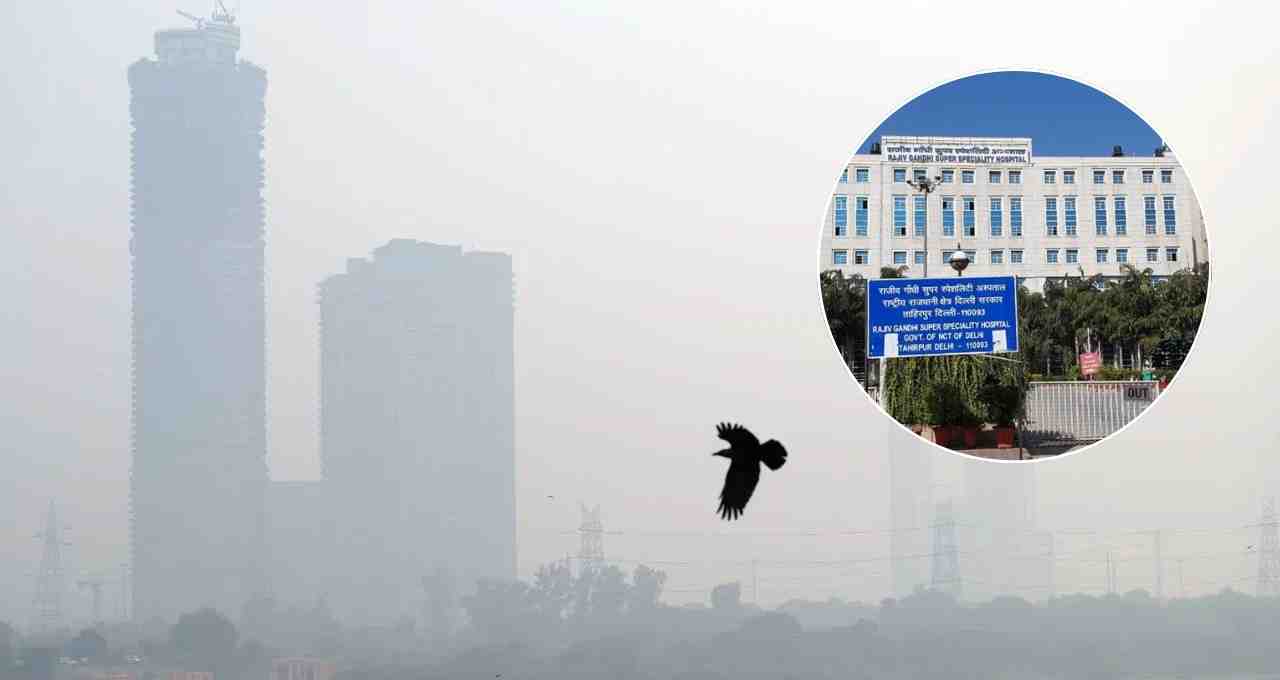
Scientific Reason Behind Pollution and Heart Attack
Dr. Ajit Jain, a cardiologist at Rajiv Gandhi Hospital, explains that toxic elements present in the air during pollution damage the inner lining of blood vessels. This leads to the formation of clots in the blood, which is a major cause of heart attacks. Pollution also causes platelets to become overactive, potentially leading to sudden blockages.
Furthermore, continuously breathing polluted air increases oxidative stress. This weakens the heart muscles and can cause an irregular heartbeat. Therefore, ignoring any unusual symptoms can prove dangerous.
Measures for Heart Protection
During periods of pollution, use an air purifier indoors and ensure proper ventilation. Wear an N95 mask when going outside, and avoid exercising or walking during morning and evening smog. Drink plenty of water, maintain a balanced diet, and consume more fiber, fruits, and vegetables.
Get regular check-ups for blood pressure, sugar, and cholesterol. Stay away from alcohol and smoking. In case of any symptoms, contact a doctor immediately.