

A new research report indicates that several occupations remain comparatively insulated from the growing impact of artificial intelligence, particularly roles that require physical labour, on‑site presence, and direct human interaction.
The study by AI company Anthropic states that jobs such as cooks, motorcycle mechanics, bartenders, lifeguards, dishwashers and dressing room attendants currently face limited exposure to automation. These occupations require human presence, physical effort and immediate decision‑making, making them difficult to replace with machines at present, even as many computer‑based professions move rapidly toward automation.
Jobs Requiring Physical and On‑Site Work Face Lower Exposure




According to the research, occupations that require individuals to be physically present at the worksite face the lowest level of risk from artificial intelligence. Such roles depend on physical activity, situational judgement and the ability to respond immediately to changing circumstances.
While AI adoption is expanding rapidly in digital and computer‑based work, human involvement remains necessary in on‑ground services and technical repair roles. As a result, employment in these sectors is currently regarded as relatively insulated from automation.
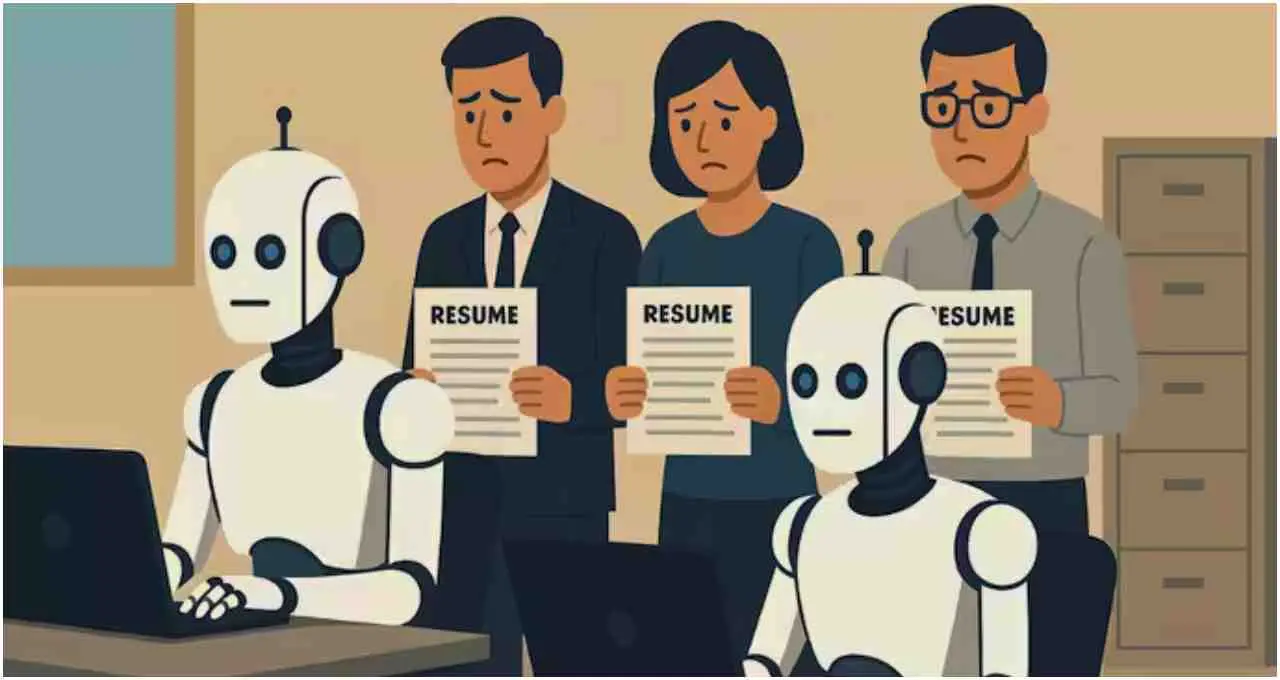
Six Occupations Identified as Least Affected
The report identifies six professions where the impact of artificial intelligence is currently considered limited. These include cooks, motorcycle mechanics, bartenders, lifeguards, dishwashers and dressing room attendants.
Each of these roles requires both physical labour and direct interaction with people. For example, cooks rely on experience and situational judgement while preparing food, whereas lifeguards must respond immediately during emergency situations. Fully automating such tasks with machines remains difficult at present.
Computer‑Based Roles Face Higher Exposure to AI
The research also states that artificial intelligence is expected to affect occupations that are primarily based on computers, data processing or digital platforms. AI tools are already being widely used in areas such as content processing, data analysis and automated tasks.
In contrast, sectors that depend on interpersonal communication, on‑site work and human judgement continue to demonstrate clear limitations for artificial intelligence. According to the report, approximately 30 percent of jobs are currently considered difficult to fully replace with AI.