Many countries around the world are now opting for artificial rain through cloud seeding instead of relying on natural rainfall. This technique is rapidly being used in several countries, including China, UAE, USA, and India, for drought relief, agriculture, water management, and pollution control. In an era of climate change, this technology is considered a necessity for the future.
Cloud Seeding Technology: Many countries worldwide are turning towards artificial rain to combat rapidly changing weather patterns and water scarcity. Cloud seeding technology is being adopted in several nations, including China, UAE, USA, India, Thailand, Russia, and Saudi Arabia, where chemical elements or salt particles are used to increase moisture in clouds, thereby inducing rainfall. This technique helps in preserving agriculture, alleviating drought, managing water resources, and controlling pollution. Experts believe that the scope of this technology will expand further in the future due to the impending water crisis.
Growing Demand for Artificial Rain Worldwide
Many countries no longer wish to depend on natural weather patterns. Water scarcity, erratic monsoons, and climate change have compelled governments to seek new solutions. This is why interest in artificial rain, also known as cloud seeding, is continuously growing. In this technique, chemicals or salt particles are used to increase moisture in clouds, thereby enhancing the probability of rainfall.
This method aids in drought relief, agriculture, water management, and pollution reduction. Work on this technology has accelerated in many countries.
China



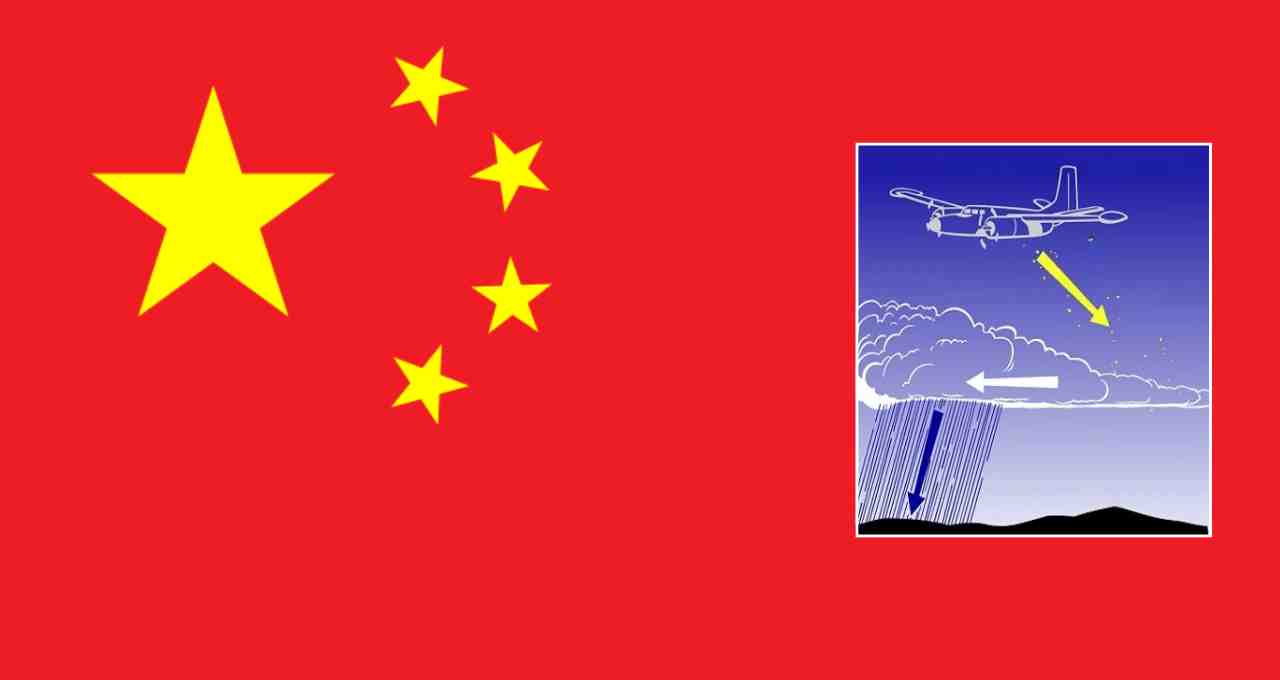
China is the largest user of this technology. The government has set a target to cover approximately 5.5 million square kilometers with cloud seeding by 2025. AI-based weather systems, aircraft, and rockets are being used here. It is employed to control weather during droughts, for agriculture, and during major events.
United Arab Emirates (UAE)
A cloud seeding program has been active in the UAE since 1982. AI, drones, and hygroscopic salt flares are utilized here. The objective is to increase rainfall and maintain moisture in desert areas.
USA
In the USA, cloud seeding is primarily conducted in regions like California, Colorado, and Texas. Its goal is to increase snowpack, improve water availability, and support agriculture.
India
In India, cloud seeding is primarily used during periods of drought and for agriculture. Experiments have been conducted in Maharashtra, Karnataka, and Tamil Nadu. Recently, IIT Kanpur carried out two trials with silver iodide flares in Delhi-NCR, though no rainfall occurred.
Thailand
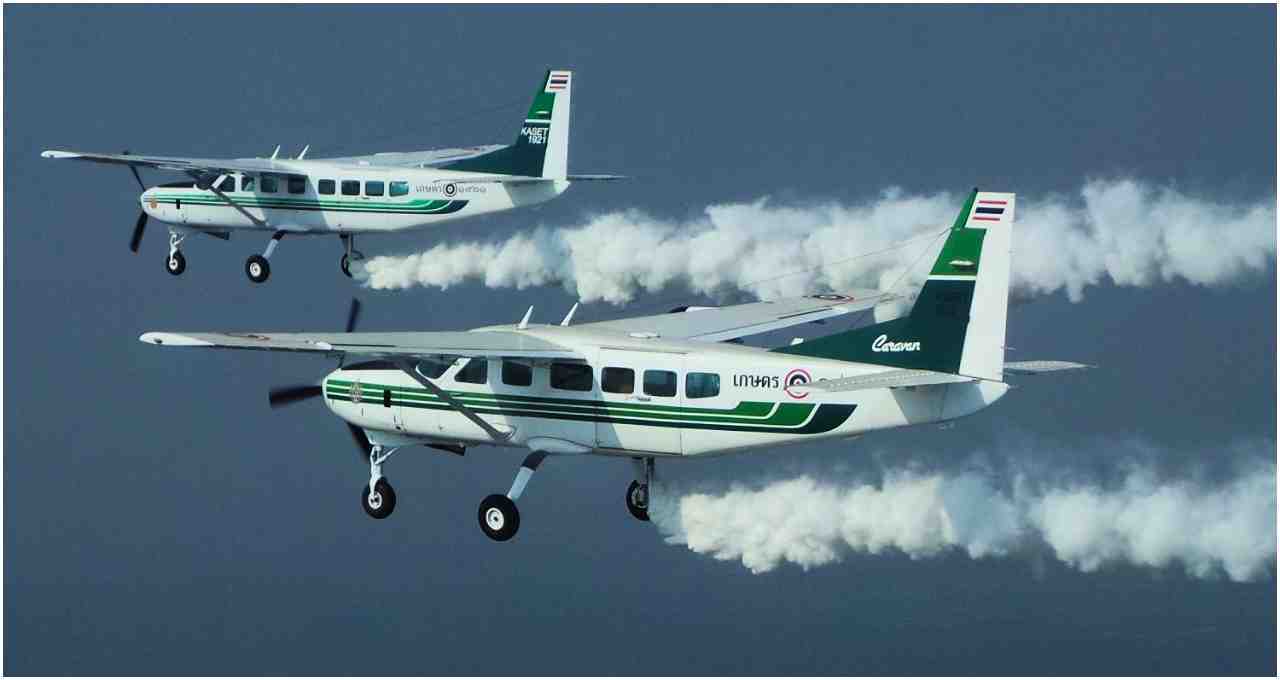
Thailand launched its ‘Royal Rainmaking Project’ in the 1950s. It is considered one of the world's oldest successful programs. It is used for agriculture, pollution reduction, and water management.
Russia
Russia uses cloud seeding not only for drought, agriculture, and water management but also for controlling forest fires. This technique is adopted to maintain balanced weather in arid regions.
Australia
In Australia, this technology is being used to enhance agriculture, water management, and hydropower generation. During dry periods, it helps improve water availability.
Saudi Arabia
Saudi Arabia initiated this technology in 2022. The objective is to increase moisture in arid regions, prevent desert expansion, and improve water conditions.
Indonesia
In Indonesia, cloud seeding is used to reduce the risk of flooding during the rainy season and for better water utilization. The government regularly adopts it to manage weather imbalances.
Cloud seeding is not a magical solution, but in an era of increasing water scarcity and weather unpredictability, it is becoming a priority for many nations. Experts believe that the use of this technology will accelerate in the coming years, although research on its environmental impact and cost is ongoing.