Both the District Magistrate (DM) and the Police Commissioner are important positions in administration, but they differ in their areas of operation and responsibilities. The DM is primarily responsible for the administration and development work of a district, while the Police Commissioner is considered the highest authority for law and order and police operations in metropolitan cities. Appointments to both positions depend on the experience of IAS and IPS officers, respectively.
DM vs Police Commissioner: Key positions in district administration and law and order include the DM and the Police Commissioner. The DM heads a district, overseeing development work, implementation of government schemes, and disaster management. In contrast, the Police Commissioner is the highest authority for maintaining law and order and controlling crime in metropolitan areas. DMs are IAS officers, and Police Commissioners are IPS officers, both appointed based on experience after clearing the UPSC examination. This distinction helps the general public understand the administrative structure.
DM: Head of the District and Chief of Administration




The DM, or District Magistrate, is an IAS officer and is considered the highest administrative authority in a district. The DM handles responsibilities such as law and order, implementation of government schemes, monitoring development work, and disaster management within the district.
To become a DM, an IAS officer typically requires 5-6 years of experience. They hold the authority for final decisions in the district. Key responsibilities of the DM include implementing Section 144, ensuring the ground-level execution of government policies, and overseeing the district's development projects. As a representative of the state government, their administrative influence is very broad.
Police Commissioner: Chief of Law and Order in Metropolitan Cities
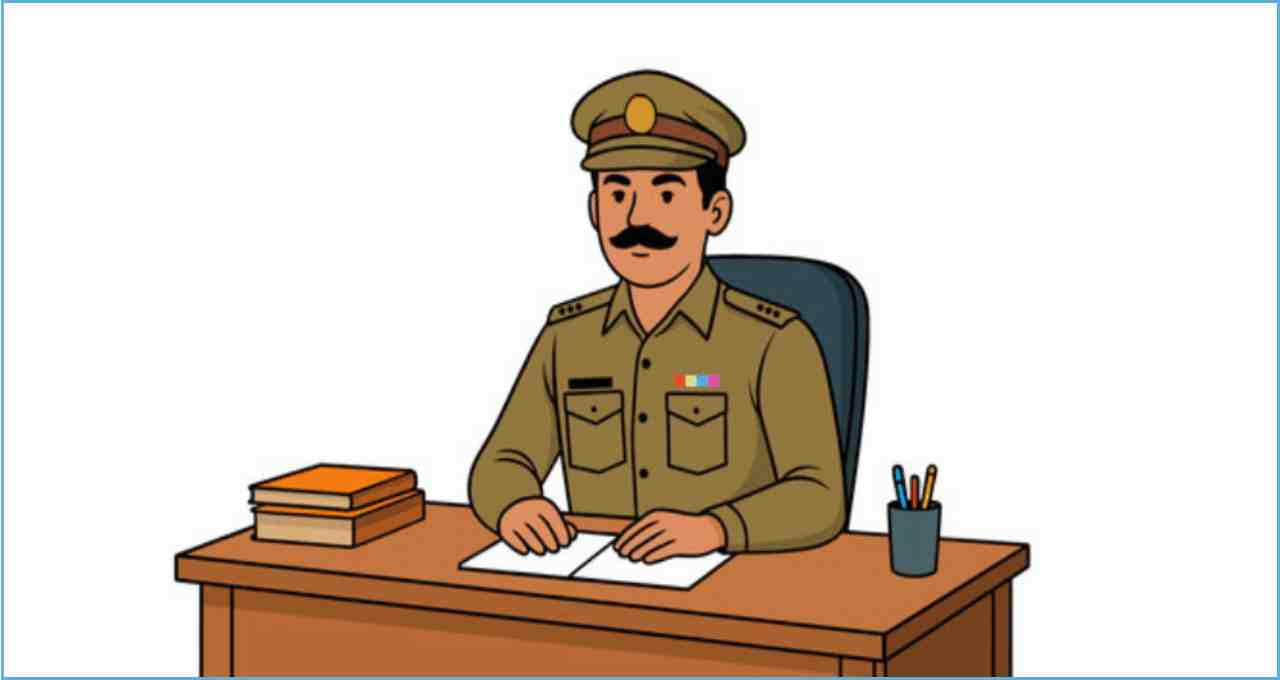
The post of Police Commissioner is applicable in large metropolitan cities like Delhi, Mumbai, Bengaluru, Chennai, and Kolkata. In the Commissionerate system, the Police Commissioner is considered the supreme authority and is vested with the powers of an Executive Magistrate to maintain law and order.
Under the Commissioner, Superintendents of Police (SPs) and other police officers report directly. Their rank level depends on state regulations; for example, in Delhi, the Commissioner holds the rank of DGP, while in other cities, officers of IGP rank can also become Commissioners. The Police Commissioner's scope of work primarily focuses on crime control and urban security.
Process to Become a DM or Police Commissioner
To become a DM, it is essential to clear the UPSC Civil Services Examination. After gaining several years of experience as an IAS officer, they are appointed as the DM of a district. Similarly, to become a Police Commissioner, it is mandatory to be an IPS officer. This requires passing the Prelims, Mains, and Interview stages of the UPSC Civil Services Examination.
IPS officers are appointed to the post of Commissioner in metropolitan areas after gaining experience at the ASP, DSP, or SP ranks. Appointments to both positions are determined based on experience, efficiency, and the requirements of the respective states.