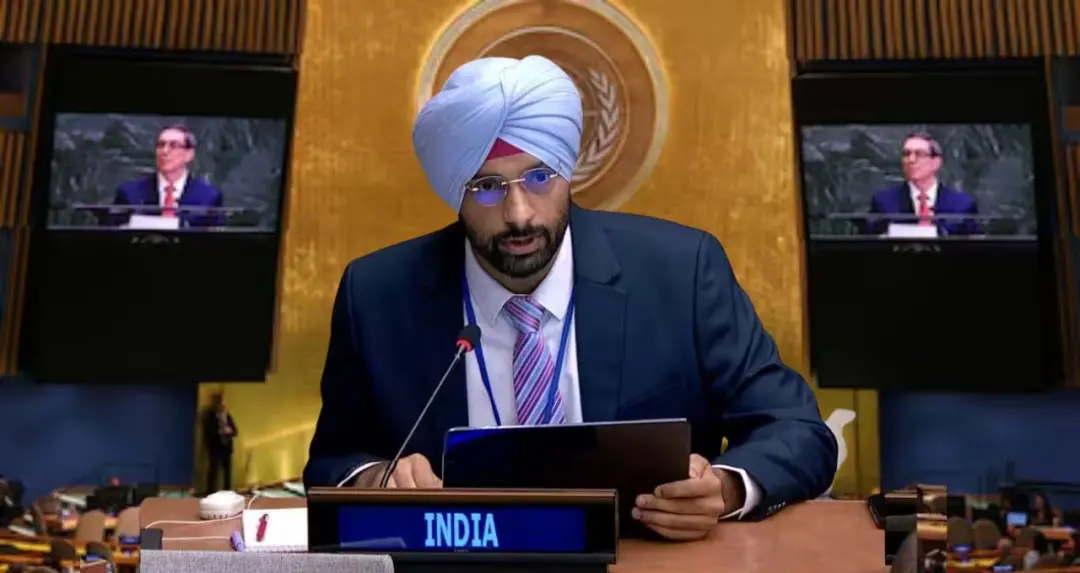
India and Israel voted against a conventional arms control proposal introduced by Pakistan and Belarus at the United Nations General Assembly's First Committee, despite receiving support from 180 countries. India said a country's security concerns cannot be restricted to geographical boundaries or the capabilities of neighbouring countries, arguing that conventional arms control must be considered in the broader context of international security.
Pakistan and Belarus introduced a draft resolution on conventional arms control at regional and subregional levels during a meeting of the UN General Assembly's First Committee on Monday, November 2.
The proposal seeks to promote regional agreements to regulate the number of weapons and military capabilities. It received support from 180 countries, while India and Israel were the only countries to vote against it. No member state abstained, although not all 193 UN member states participated in the vote.
India clarified that its opposition was not directed at the objective of arms control itself but at the regional approach adopted in the draft resolution. According to India, security threats facing a country are not necessarily confined to neighbouring countries and may also arise from developments in other regions and broader international circumstances.
India therefore disagreed with the proposal's emphasis on advancing conventional arms control primarily through regional and subregional agreements.
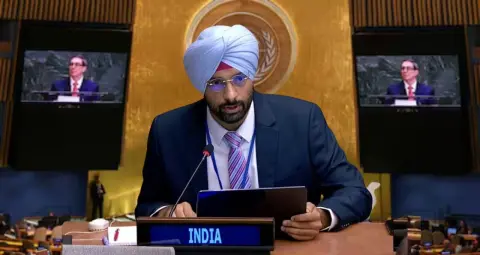
Anmol Sher Bedi, First Secretary at India's Permanent Mission to the United Nations, explained the country's position following the vote.
He said conventional arms control is a global issue and cannot be assessed solely on the basis of the security requirements of countries within a particular region.




According to Bedi, the proposal assumes that a country's security concerns end at its regional boundaries. However, India's position is that the actual security environment is broader.
He also questioned the practicality of maintaining a balance between military capabilities at the regional level. India maintained that the wider international security environment must be considered when assessing a country's defence requirements.
The Indian representative said the decision to vote against the resolution was consistent with India's previously established position on the issue.
India also raised questions about another provision in the draft resolution, which asked the United Nations Disarmament Commission to consider developing new principles for regional arms control agreements.
Bedi pointed out that the commission had already addressed the subject on several occasions.
In 1993, guidelines for regional disarmament were prepared. In 1999, an agreement was reached on conventional arms control and disarmament. Subsequently, in 2017, recommendations concerning confidence-building measures related to conventional weapons were also adopted.
India questioned the need to initiate another process on the same subject when agreements and recommendations had already been established on three previous occasions.
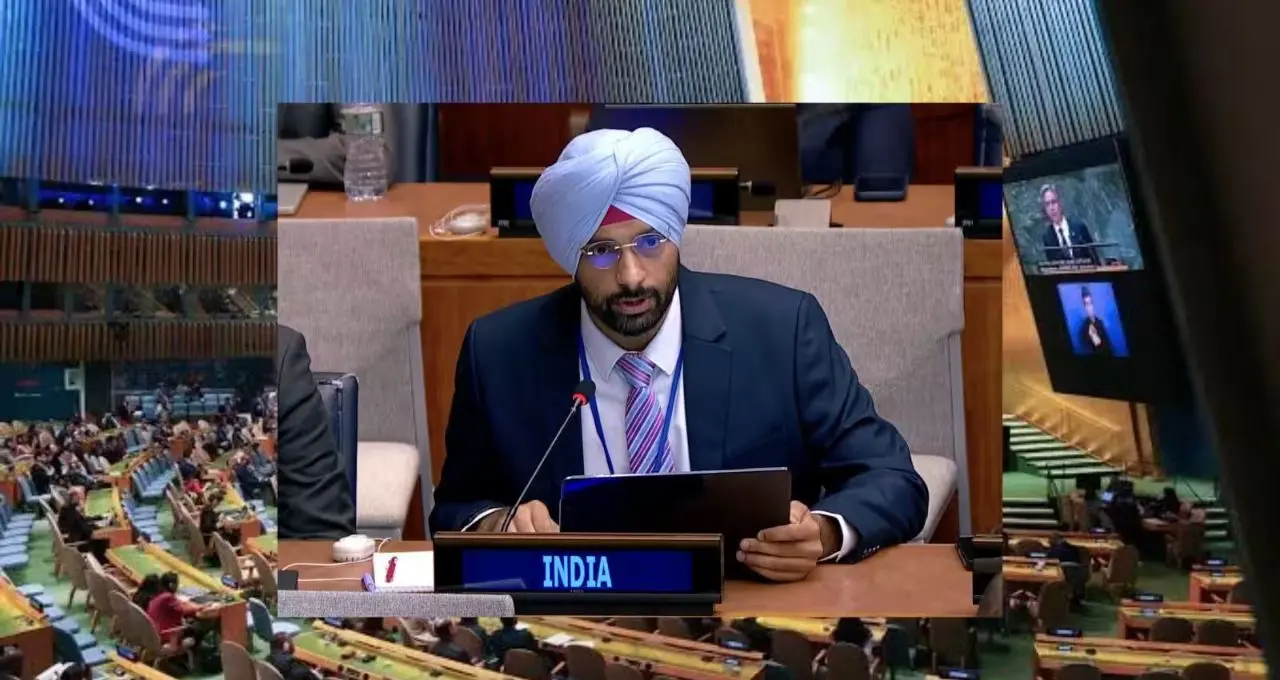
The Indian representative argued that reopening discussions on the issue without adequately considering the existing guidelines would not be appropriate.
India separately voted against a paragraph in the resolution referring to conventional arms control initiatives in South Asia.
The paragraph mentioned arms control efforts in different parts of the world, including discussions among Latin American countries and proposals concerning South Asia.
The draft also stated that countries with significant military capabilities have a particular responsibility to maintain regional security.
India questioned this approach to regional military balance, maintaining that security arrangements cannot be determined solely by geographical boundaries or the military capabilities of neighbouring countries.
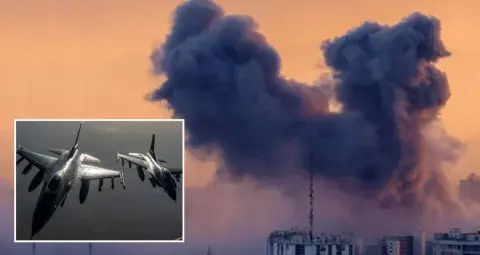
Conventional weapons include tanks, artillery, fighter aircraft, warships and other conventional military equipment.
The objective of conventional arms control is to reduce the arms race and lower the possibility of military confrontation between countries.
The Pakistan-Belarus proposal argues that several security threats have emerged among countries within the same region since the end of the Cold War. It therefore advocates promoting regional agreements on arms control.
According to the proposal, efforts should be made to keep the number of weapons and military forces at the lowest possible levels to maintain international peace and security.
India, however, maintains that such initiatives must also take broader international security circumstances into account.
The draft resolution introduced by Pakistan and Belarus has received approval from the UN General Assembly's First Committee. However, this does not constitute final approval by the full General Assembly.
The draft will now be forwarded to the United Nations General Assembly for consideration.
India and Israel opposed the proposal, but the support of 180 countries enabled it to advance through the committee.
The next stage will involve consideration of the resolution by the General Assembly. India has maintained that its approach to conventional arms control must take broader international security concerns into account.