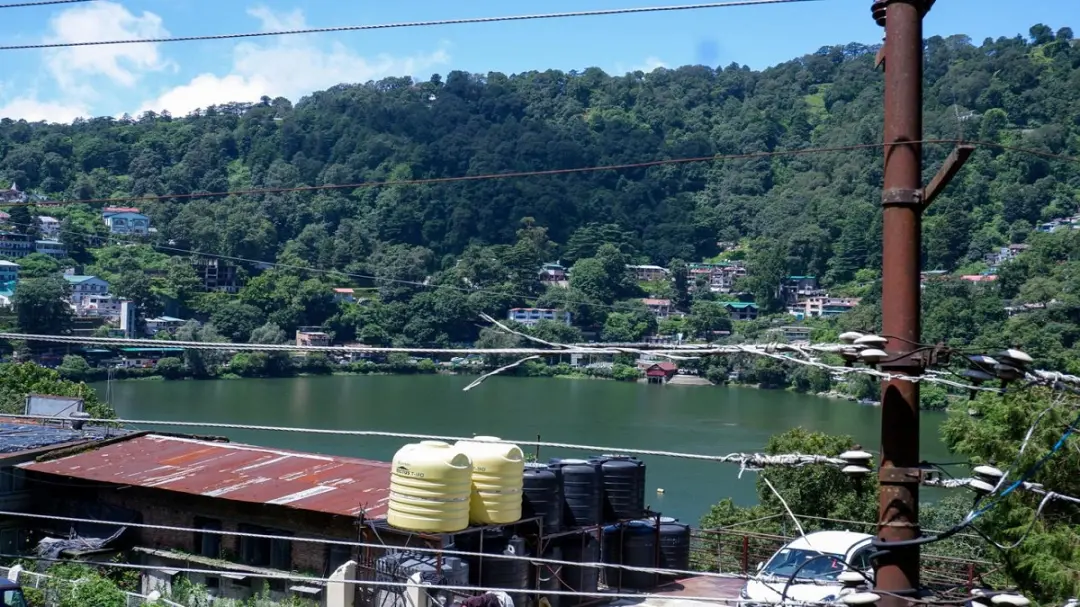
The contaminated drinking water outbreak in Jyolikot and surrounding villages of Nainital district, Uttarakhand, has intensified after water samples tested positive for bacteria including E. coli, fecal coliform and fecal streptococcus. The case has reached the Nainital High Court, which has expressed displeasure over the functioning of officials, while the administration has begun the process of fixing responsibility.
Complaints of illness linked to contaminated water have also emerged from Ganja, Veerbhatti, Chhina, Beluwakhan, Sariyatal and other surrounding areas. According to the report, several people fell ill in the region and two deaths were also reported. A local resident subsequently filed a public interest litigation petition before the High Court.
During the hearing, the court took the matter seriously and sought responses from the administration and concerned departments. It also directed officials to accelerate relief and investigation work in the affected areas.
The most serious findings emerged from the testing of water samples collected from different locations by the State Pollution Control Board. Coliform and E. coli were detected in water samples from several locations, while some samples also contained fecal coliform and fecal streptococcus.
According to the report, the quantity of bacteria recorded at different locations ranged from 170 to 2200 per 100 millilitres of water. The findings have raised concerns over the quality of drinking water supplied in the area.
Fecal coliform and fecal streptococcus are bacteria whose presence is considered an indication of contamination by fecal matter. Their presence in drinking water can pose a serious health risk. According to experts, consumption of contaminated water can increase the risk of diarrhea, vomiting and diarrhea, abdominal pain, fever and jaundice. The situation can be more concerning for children, elderly people and those with already weakened health.
The investigation report stated that bacteria were detected in samples collected from Manora, Beluwakhan, Malla Beluwakhan, Chinagaon in Veerbhatti, the drinking water source near Parvati Prema Jagati School, Devubaganja water tank, the source near the PMGSY office, Bushgaon water tank in Chaupra and the Sariyatal tank.
The findings indicated that the problem was not confined to a single pipeline or locality and involved several water sources and drinking water supply areas.



During the hearing, the High Court also questioned officials over why effective action was not taken in time despite villagers having complained earlier about foul-smelling water. According to the report, residents had complained about water quality around a month earlier.
The court expressed displeasure over the approach of officials and said that work should have been carried out with sensitivity towards the health of villagers.
Officials of the Jal Sansthan told the court that chlorination, tank cleaning and other corrective measures had subsequently been undertaken and that reports from some samples collected thereafter were normal. However, the State Pollution Control Board's report showed that several samples collected earlier had failed, keeping the seriousness of the matter intact.
The High Court has directed fresh water sampling and a comprehensive assessment of water quality across the affected area.
The administration has also initiated steps to determine responsibility. Nainital District Magistrate Lalit Mohan Ryal has constituted a six-member permanent committee headed by the Chief Development Officer.
The committee has been directed to prepare a report on the causes of water contamination, the responsibility of the departments concerned and the corrective measures required to prevent a similar incident in the future. It was asked to submit its report within seven days.
The committee includes the Chief Development Officer, Chief Medical Officer, executive engineers of the Peyjal Nigam and Jal Sansthan, an official of the local body and the District Panchayati Raj Officer.
The committee has been tasked not only with identifying the cause of the current infection but also with technically examining possible connections between drinking water sources, tanks, pipelines, leakages, seepage and the sewerage system.
An important part of the investigation is to determine whether there is any cross-connection between drinking water and sewerage lines. If contaminated sewer water is entering a drinking water source or supply line, it could be a major cause of the spread of infection across the area.
The administration has started pipeline cleaning, flushing, bleaching and chlorination, along with identifying and repairing leakages.
In an earlier hearing, Jal Sansthan officials had also acknowledged that the problem occurred because sewer water entered a water source located near the old garbage pit. The High Court had bly reprimanded officials over this issue.
The court said that if the sewer and drinking water pipelines had been repaired in time, villagers would not have faced the crisis.
The administration has arranged tankers to provide clean water as an alternative to residents in the affected areas. According to a report, more than 15,500 litres of purified drinking water were supplied to 110 families through four tankers over two days.
Around 500 metres of the Devaldhunga line was also flushed, and new water samples were collected.
The Health Department has deployed medical teams in the affected areas. According to the report submitted before the High Court, a team of eight doctors, along with an ambulance and medical staff, was deployed in the affected region.
Teams visited homes and distributed chlorine tablets and ORS packets. The Health Department also presented information before the court on a large number of people affected by jaundice, diarrhea and other illnesses.
The High Court has directed the administration to continuously monitor relief operations. The District Magistrate has been asked to personally monitor the situation, ensure the supply of safe water through tankers in affected areas and establish arrangements to address complaints of sewer leakage.
The court has also directed that if specialist doctors are not available at government health facilities, specialist services should be obtained from outside as required.
In view of the seriousness of the matter, the State Pollution Control Board has also been asked to collect fresh samples and examine water quality across Nainital district.
The High Court has directed officials to file personal affidavits. These proceedings are expected to clarify the level at which the contamination occurred and where responsibility lies.
The key issue in the Jyolikot case is why water quality could not be monitored before contaminated water reached people's homes. Despite arrangements for regular inspection of water sources, tanks and pipelines, the presence of fecal bacteria in drinking water has raised questions about departmental monitoring.
However, final responsibility will be determined only after the findings of the investigation committee and the outcome of the relevant legal process.
For now, the administration has taken measures including alternative supplies of clean water, pipeline cleaning and chlorination. Fresh water samples are also being collected to determine whether the condition of the water sources has actually returned to normal following the corrective measures.
The High Court is continuing to monitor the entire process.
The Jyolikot case has raised issues concerning monitoring of drinking water supply, protection of water sources, the separation between sewerage and drinking water lines and departmental accountability. The investigation committee's report and the new reports to be submitted before the court will establish the actual cause of the infection and the responsibility of the concerned officials and departments.