Supreme Court Justice Surya Kant stated that a lack of care for the elderly is weakening relationships between society and generations. He emphasized that maintaining the respect and dignity of the elderly is a social responsibility.
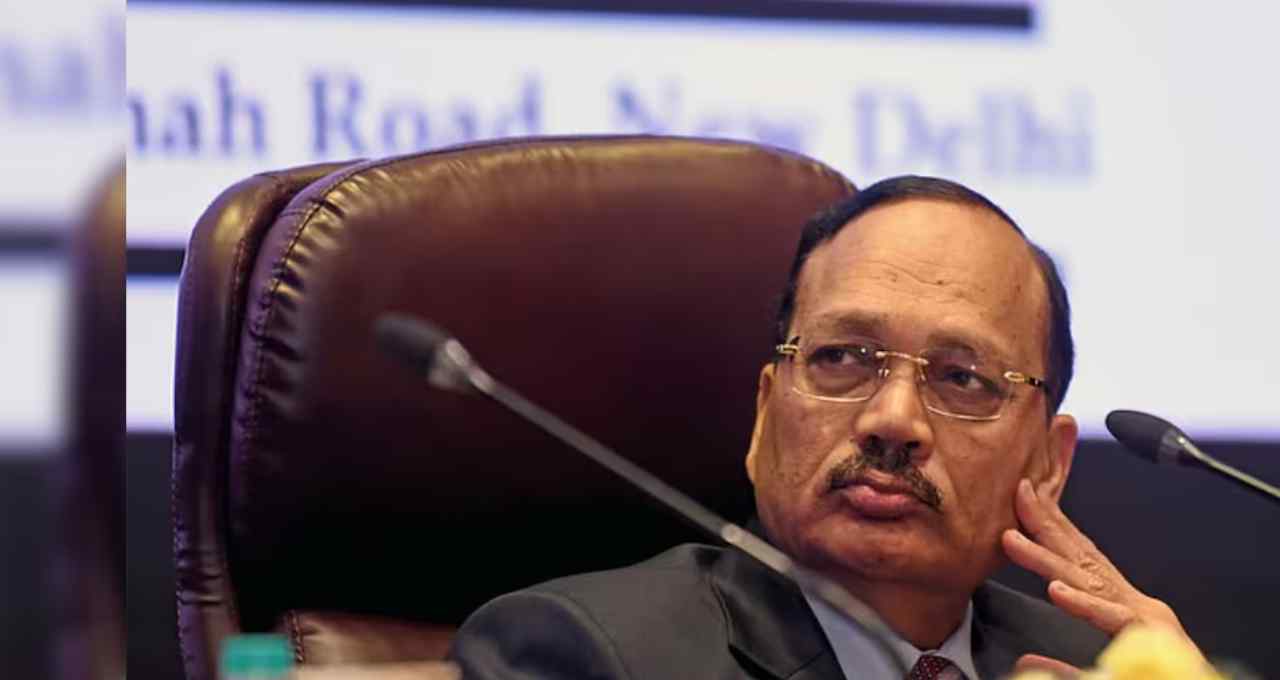
New Delhi: Supreme Court Justice Surya Kant issued a serious warning on Monday regarding the care of the elderly and the weakening intergenerational relationships. He stated that if the neglect of the elderly continues, it could pose a grave threat to the fabric of society. He termed it a "seismic shift in civilization" and added that modern prosperity has diminished the warmth of human relationships.
Justice Surya Kant was speaking at an event organized on the Maintenance and Welfare of Parents and Senior Citizens Act. He clarified that India risks losing the old world that kept society humane and ensured respect for the elderly.
Prosperity Has Diminished the Warmth of Relationships




Justice Surya Kant said, 'Prosperity has quietly replaced intimacy. Young people move away to work in the new world, but the door between generations closes.' He explained that in India, old age was once considered not a decline but an elevation. Elders played a crucial role in family and culture, like the conscience of the narrative.
He warned that modern lifestyles have weakened these structures. Justice Surya Kant stated, 'We have gained the new world, but we are on the verge of losing the old world—the world that kept us human.'
Example of a Widow's 50-Year Legal Battle
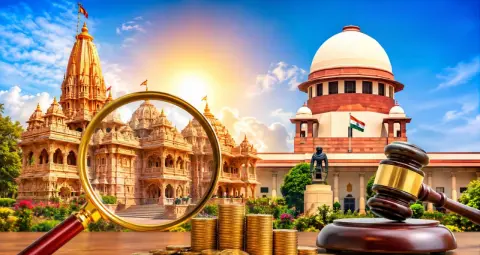
Justice Surya Kant also cited a recent case where a widow fought for nearly 50 years to receive maintenance. The Supreme Court, using its special powers (Article 142), restored her property. Justice Surya Kant remarked, 'Justice is not merely fulfilled by being technically correct. The right to dignity does not cease with age.'
He emphasized that no institution can replace people. The youth build bridges between older and newer generations. Whether it's helping with digital transactions, sitting down to talk, or not leaving them alone in a queue, these small gestures give the elderly a reason to live.
Old-Age Homes Were Never Part of Our Culture
Union Minister for Social Justice and Empowerment, Virendra Kumar, stated that old-age homes were never a part of our culture. The roots of Indian culture lie in respecting the elderly. Elders are the foundation of society. However, urbanization and changing lifestyles have broken down families.
He cited the example of the Brahma Kumari's old-age home in Mount Abu, where educated seniors like doctors, lawyers, and engineers reside, whose children are abroad. The minister said, 'Money is important, but money isn't everything. The elderly also need respect and security.'
Sourness in Property and Family Relationships
The minister noted that many parents transfer their property to their children, but later the children abandon them. The government is prepared to help them reclaim their property. However, most mothers say, 'Don't file a case against my son.' He added that a mother's love does not diminish even when enduring sorrow.
Social Justice Secretary Amit Yadav informed that there are currently 103.8 million elderly people in the country. This number is projected to reach 340 million by 2050. He stated that old age is not a weakness; it should be accompanied by respect and security.
Justice Surya Kant reiterated that elders are the custodians of family stories, culture, and experience. If intergenerational relationships weaken, the values and civilization of society are threatened. He stressed that the care of the elderly is not just a family responsibility but also a social one.
The digital world and modernity have kept young people busy. Amidst this busyness, it is society's responsibility to care for the dignity and feelings of the elderly. Small acts like spending time with them, helping them, listening to their experiences, and respecting them are extremely important.