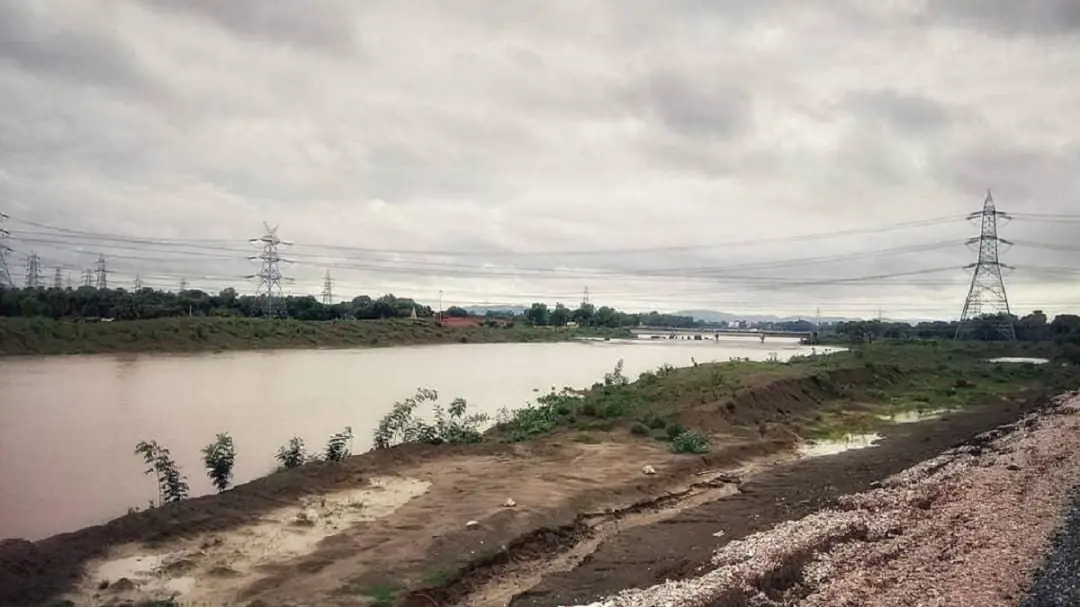
A proposed footbridge over the Panchane River in Biharsharif is planned to provide direct pedestrian connectivity between Basar Vigha and Ashanagar. The project, estimated to cost around ₹1.5 crore, is intended to reduce the distance and travel time currently required to move between the two sides of the river.
At present, people travelling from one area to the other have to use alternative routes around the river, increasing both distance and travel time. Once the footbridge is constructed, pedestrians are expected to have easier access between the two areas.
According to local residents, the footbridge could also be particularly useful during religious events and Chhath Puja, as devotees travelling to the ghats along the Panchane River would have a direct and safer route.
The Panchane River is among the important water sources in Biharsharif, with several areas of the city located around it. Ashanagar and areas connected with the Panchane River are also mentioned in the official delimitation documents of Biharsharif Municipal Corporation.
The river therefore forms part of the geographical boundary and connectivity system between different parts of the city. A separate pedestrian bridge over the river could provide an additional route for residents of nearby neighbourhoods for their daily travel.
The proposed footbridge is intended primarily for pedestrians. Such a bridge can improve local connectivity without adding further pressure to road traffic.
For residents living between Basar Vigha and Ashanagar, access to markets, religious places, river ghats and nearby areas is expected to become easier. Elderly people, women and children could also avoid longer routes.



Preparations for a pedestrian bridge over the Panchane River had also been undertaken at the government level earlier. In January 2025, the Bihar Urban Infrastructure Development Corporation Limited (BUIDCo) issued a tender for preparation of a Detailed Project Report (DPR) for a pedestrian steel bridge near the Surya Temple, connecting ghats on opposite sides of the Panchane River.
The government document specified the proposed steel bridge as approximately 43.8 metres long and 2.1 metres wide. This indicates that planned work had already been undertaken to strengthen pedestrian connectivity across the Panchane River.
The proposed footbridge between Basar Vigha and Ashanagar is now being linked to local connectivity requirements. Direct pedestrian connectivity between the two areas could reduce the need for people to travel around the river using alternative routes.
The facility could be particularly useful for people travelling daily for routine activities. If the bridge is constructed according to the proposed plan, it could provide an additional connection between neighbourhoods located on the two sides of the river and support social and economic interaction between them.
One of the key aspects of the project for local residents is its potential use during Chhath Puja. A large number of devotees visit the ghats along the Panchane River during Chhath.
Vratis remain engaged in worship and rituals for several hours and require a safe route to the river. When crowds increase, narrow routes and road traffic can create difficulties. A footbridge could provide a separate route for pedestrians and could also help reduce pressure from pedestrian crowds on the main roads.
A considerable number of women and elderly people also participate in Chhath Puja. A convenient pedestrian route to the river ghats therefore becomes particularly relevant during the festival.
Local residents have cited this requirement while describing the bridge as useful for Chhath vratis. However, the actual convenience provided by the bridge will depend on its construction quality, width, railings, lighting and access routes on both sides.
Construction of the project would not be limited to building a structure over the river. The roads and routes leading to both ends of the footbridge would also need to be accessible.
If the approaches to the bridge remain narrow or damaged, people may not receive the full benefit of the facility. Local residents therefore expect attention to approach roads, lighting, railings and basic safety infrastructure along with the bridge.
Broader development plans are also being undertaken along the Panchane River. A riverfront development plan in Biharsharif had proposed development along approximately 8.2 kilometres of the riverbank.
The project was also reported to include a green zone and facilities related to recreation and exercise for the public. Riverfront development has been linked with the city's environment and public spaces.
Expansion of basic infrastructure along the river could also be useful during major festivals such as Chhath. Recently, Biharsharif Municipal Corporation issued a tender for construction of a Chhath ghat along the Panchane River in Ashanagar.
The tender issued in September 2026 specified an estimated cost of ₹17.28 lakh for construction of the Chhath ghat along the Panchane River in Ward Number 6. This indicates that work is also being undertaken to develop religious and public facilities along the riverbank.
The footbridge is also expected to make it easier for nearby residents to reach markets and other essential services. When people have to take a longer road route even for a short journey from one side of the river to the other, both time and effort increase.
A pedestrian bridge could reduce this distance. Students, working people and local shopkeepers could also benefit from improved daily connectivity.
When the river's water level rises during the rainy season, crossing the river becomes more difficult. A permanent and safe bridge can therefore provide an additional route during such periods.
However, the actual safety of the bridge will depend on the river's water level, its design and construction standards. Technical standards and the potential flow of the river will therefore need to be considered during construction.
Several urban infrastructure projects are already being undertaken in Biharsharif. Large projects such as flyovers under the Smart City initiative have been completed, while plans such as the Panchane River riverfront development have also progressed.
In this context, the pedestrian footbridge can provide another component of the city's local connectivity network.
Local residents have demanded that construction of the footbridge be completed on time and that it be made safe and convenient not only for regular use but also during major events such as Chhath.
Adequate lighting, b railings, measures to prevent slipping and arrangements for crowd management could increase the utility of the bridge. Safety arrangements would be particularly important during festivals when large numbers of people travel towards the river at the same time.
The proposed direct pedestrian connection between Basar Vigha and Ashanagar is expected to reduce the distance between the two areas. The bridge could become part of daily travel as well as religious events, providing devotees and vratis with a route to the ghats and potentially reducing pedestrian pressure on the main roads.
At present, attention is focused on when construction of the proposed footbridge will begin and how the project will be implemented on the ground. If approach routes and safety facilities are developed along with the bridge, connectivity between the two sides of the Panchane River could change. For local residents, the bridge is expected to serve both daily travel needs and preparations for Chhath Puja.