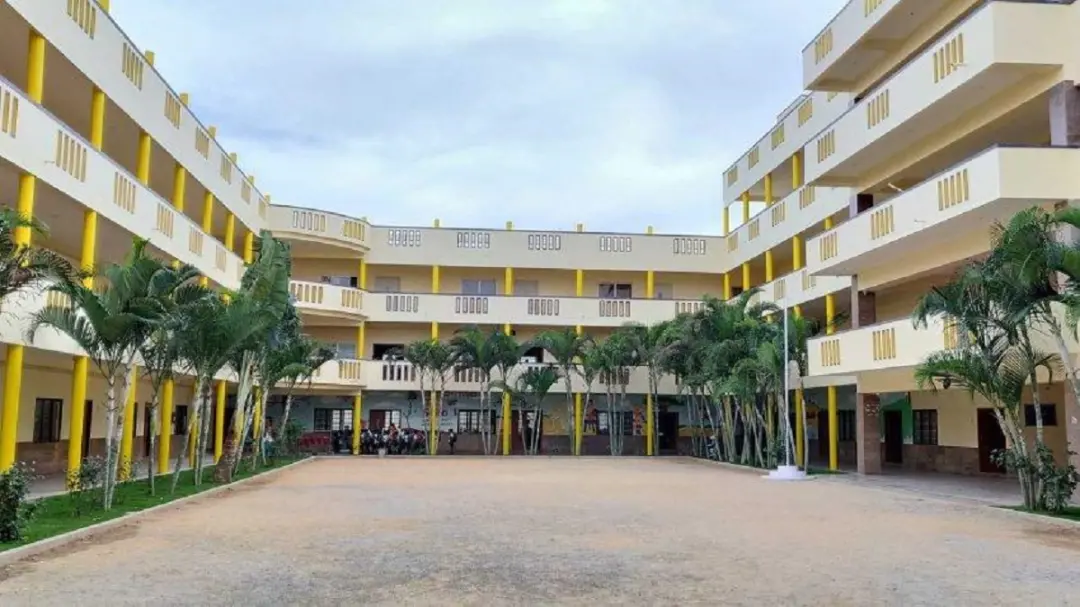
Nalanda district has sanctioned Rs 10.46 crore for the repair, painting and necessary maintenance of buildings in 2,440 government primary and secondary schools. The approved amount will be used for improving the condition and upkeep of school buildings, with work to be undertaken according to the requirements of individual schools.
A large number of government schools in the district operate in rural and semi-urban areas and serve local children, including a significant number of students from economically weaker families. The plan covers repairs and painting of school buildings to improve their condition and provide a better-maintained educational environment.
The Rs 10.46 crore allocation will be used according to the requirements of each school. Painting will be carried out where walls require it, while repair work will be undertaken in parts of buildings that need maintenance. The priority of work may be determined based on the condition of individual school buildings, allowing schools requiring greater attention to be addressed first.
The work across 2,440 schools is expected to involve repairs and painting of buildings that, in several cases, are years old and require regular maintenance. Lack of timely painting can cause walls to lose their appearance, while rain and weather conditions can lead to deterioration in different parts of buildings.




The plan includes primary and secondary schools. The condition of buildings and classrooms is particularly relevant in primary schools, where younger children study. Secondary schools also require adequate and safe classrooms. Damage or deterioration in school buildings can affect the learning environment.
Repair work along with painting may include different activities depending on the requirements of each building, such as repairing walls, fixing damaged plaster, repairing doors and windows and carrying out other minor construction work. The specific work at each school will depend on the condition of the building and the approved work plan.
During implementation, arrangements will also be required to ensure that students' classes are not disrupted. Where construction or repair work is underway, school management will need to maintain appropriate arrangements between classrooms and work areas. Dust, construction materials and other equipment will also need to be kept away from students.
With work planned across 2,440 schools, monitoring at the departmental level will be required after the funds are sanctioned. Inspections may be undertaken to monitor the quality of work, completion within the निर्धारित time and proper utilisation of the sanctioned amount.
Improving school buildings in rural areas may also affect the experience of parents and local communities. The condition of school buildings and their surroundings is among the factors considered by parents when sending children to school. Maintaining clean premises and buildings in good condition can contribute to a more organised school environment.
Providing children in government schools with an appropriate educational environment requires attention not only to books, teachers and teaching but also to school buildings, classrooms, cleanliness and basic facilities. The repair and painting plan covers these aspects of school infrastructure.
Regular inspections will also be required in the future to maintain the repaired buildings. Timely attention to minor defects can reduce the need for larger repair expenditure later. A regular maintenance system can help preserve the usability of government school buildings.
The work across 2,440 schools will require workers and construction materials at the local level. This may generate small-scale employment and construction activity locally, although the actual pace of work and its impact on employment will depend on implementation.
During painting, attention may also be given to providing school buildings with a uniform appearance. If permitted under departmental guidelines, educational and awareness-related artwork on school walls could also be included. Such work will have to be carried out in accordance with departmental directions.
Following the sanction of funds, the concerned department and school administrations will be responsible for implementing the work within the required timeframe. Given the scale of work across 2,440 schools, implementation may need to be carried out in phases. Monitoring can be based on the school list, building condition and identified priorities.
Parents and local residents will also be able to observe the extent of repair and painting work carried out using the sanctioned amount. Changes in the condition of school buildings are expected to be visible after the work. The quality of repairs will also be relevant to the durability of the work.
At present, the plan provides for repair and painting work in 2,440 schools using the sanctioned amount of Rs 10.46 crore. In the next phase, work will begin at the schools and its progress will be monitored. If the work is completed according to the plan, the condition and appearance of government school buildings across Nalanda will undergo changes.