Thyroid problems during pregnancy can become a common yet serious issue for women. Due to hormonal changes and iodine deficiency, the thyroid gland can become imbalanced. If the symptoms of hypothyroidism or hyperthyroidism are not identified in time, they can pose a threat to the health of both the mother and the baby. Regular check-ups and precautions help manage it.
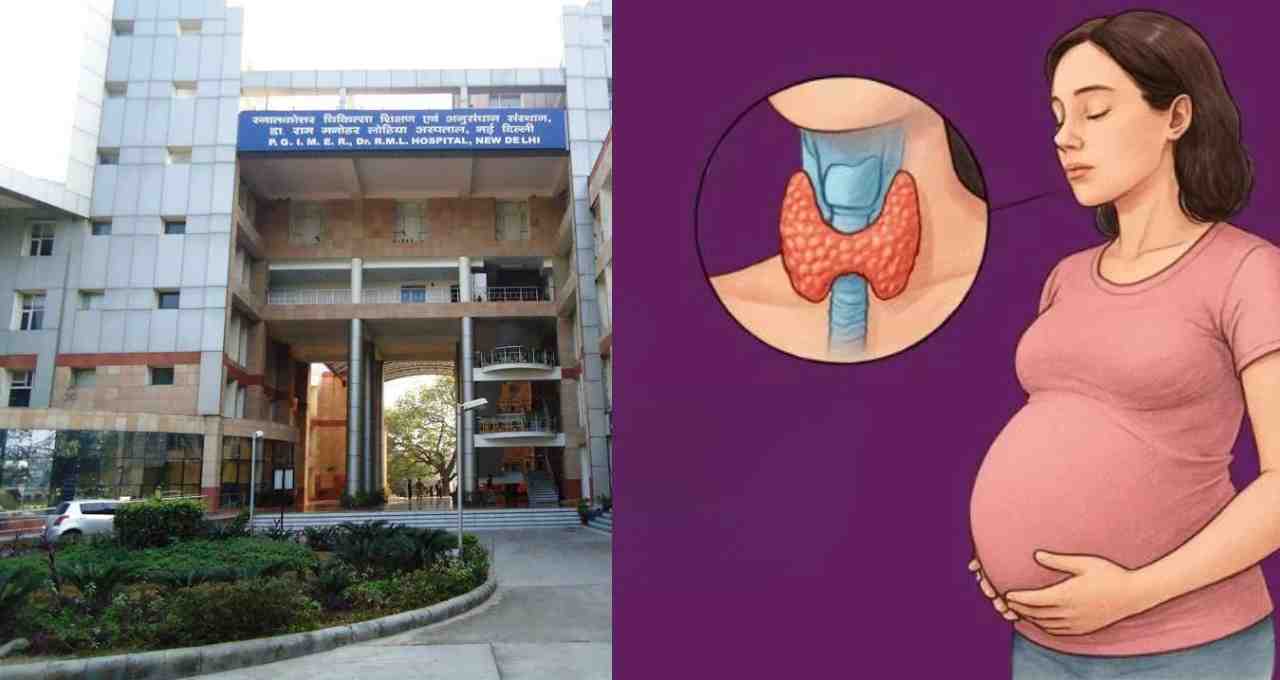
Thyroid: The risk of thyroid problems increases in women during pregnancy. According to experts Dr. Subhash Giri and Dr. Saloni Chaddha from RML Hospital, Delhi, women experiencing hormonal changes, iodine deficiency, or with a prior history of thyroid issues or miscarriage are at higher risk. A TSH test and regular monitoring in the initial three months can ensure the safety of both the mother and the baby. Consuming iodized salt and taking medications on time help control the condition.




Why Thyroid Increases During Pregnancy
Thyroid is a common problem in women, and its risk increases during pregnancy. According to Dr. Subhash Giri, HOD of the Medicine Department at RML Hospital, Delhi, hormonal changes in the body during pregnancy affect the function of the thyroid gland. Elevated estrogen hormone levels and iodine deficiency can lead to an imbalance in thyroid activity. If not identified in time, this can pose a threat to the health of both the mother and the baby.
Types and Symptoms of Thyroid
Dr. Giri explains that thyroid primarily manifests in two types: hypothyroidism and hyperthyroidism. Hypothyroidism causes problems such as fatigue, constipation, weight gain, and hair loss, while hyperthyroidism presents with symptoms like a rapid heartbeat, weight loss, and excessive sweating. Proper treatment is essential in both types of cases.
Which Women Are at Higher Risk
According to Dr. Saloni Chaddha of the Gynecology Department, women with a history of thyroid problems or miscarriage are at higher risk during pregnancy. Especially in the first three months, the thyroid gland experiences increased stress, making an initial TSH test crucial. Timely screening facilitates early detection and treatment of the condition.
Prevention and Safety Measures
To prevent thyroid problems during pregnancy, some simple steps can be adopted. Doctors state that a thyroid check-up is essential during the first pregnancy visit. Consume iodized salt, take thyroid medications regularly, and monitor thyroid levels every 6–8 weeks. Dietary improvements and timely medication intake help keep thyroid levels under control.