A major alleged fraud involving a cooperative organisation operating in the name of fishermen has come to light in Bihar. The Bihar State Fishermen Cooperative Federation Limited, known as CAFED, is alleged to have collected ₹100 each from more than 1.4 million fishermen in the state in the name of membership. Based on this calculation, the alleged collection could amount to around ₹14 crore. In view of the seriousness of the matter, the Fisheries Department has directed the concerned institutions not to cooperate with CAFED. A letter issued by the department has raised serious questions over the organisation's functioning and also referred to an investigation by the Economic Offences Unit.
According to a Jagran report, the matter came to light during scrutiny of documents related to the formation and registration of CAFED. It has been alleged that several important facts were concealed during the registration process and misleading documents were used. According to the report, CAFED Managing Director Rishikesh Kashyap is accused of using committees and documents whose legal status had already ended to establish the organisation as a legally valid entity. The allegations can only be conclusively established after the investigation is completed.
In a letter issued by the Fisheries Department on September 28, institutions were alerted about CAFED's activities. According to the department, serious objections regarding the organisation's validity and functioning had emerged on the basis of various investigation reports and orders of the Patna High Court. On this basis, government and other institutions associated with fisheries have been asked to avoid any participation or cooperation with CAFED.
The background to the matter also includes earlier disputes related to the registration of cooperative societies. According to the report, it was allegedly concealed at the time of CAFED's registration that the Bihar Self-Reliant Cooperative Society Tribunal had legally dissolved the concerned organisation on November 15, 2021. The departmental letter also refers to a 2017 order of the Patna High Court. The department said that despite these circumstances, documents were submitted for CAFED's registration to establish the organisation's validity.
According to the report, CAFED had claimed to have around 50 primary member societies. The departmental investigation has also raised questions over this claim. It is alleged that institutions whose legal status had already ended were shown as active or existing in the documents. An attempt was allegedly made to show these societies as active with the support of a chartered accountant's report. Subsequently, CAFED was allegedly taken through a process to upgrade it under the multi-state cooperative system.




The alleged collection from fishermen is a major aspect of the case. According to departmental information, CAFED used the official logo of the Bihar government in an attempt to establish its identity among fishermen as that of a government organisation. It is alleged that through this mechanism, Workman and Craftsman Fisheries Cards were issued to around 1.4 million fishermen, with ₹100 collected from each person. A calculation of ₹100 each from 1.4 million people puts the amount at around ₹14 crore. The alleged collection is also being investigated by the Economic Offences Unit.
The use of the government logo has also raised serious questions. The use of government identity or symbols by a private or unauthorised organisation can create confusion among the public. The Fisheries Department said CAFED's activities could have led a large number of fishermen to believe that the organisation was officially authorised or connected with the government. The department has therefore instructed fishermen and institutions associated with the fisheries sector to remain cautious.
The investigation has raised issues beyond membership cards and the alleged collection. According to the report, CAFED has also been accused of misusing the name of a national federation. Through this, an attempt was allegedly made to open an account with Bihar State Cooperative Bank Limited under a name similar to that of a government or authorised cooperative organisation. The departmental investigation has also raised questions about the account and the identity of the organisation.
An allegation has also emerged regarding the creation of a fake website. According to the report, the concerned person used online platforms while identifying himself as the organisation's managing director. If the allegation is established during the investigation, the matter would extend beyond documentary irregularities to an alleged attempt to establish the organisation's credibility through digital means. This aspect is also currently under investigation.
Another issue concerning CAFED's activities relates to grants for Aqua One Centres associated with the National Fisheries Development Board, or NFDB. According to the report, suspicious and allegedly forged bills were submitted to obtain financial grants in the name of Aqua One Centres approved in Patna and Madhubani. The matter is now reportedly being investigated at the central level.
Schemes such as Aqua One Centres are intended to provide facilities and technical assistance to people associated with the fisheries sector. If incorrect documents were submitted to obtain a grant under a scheme, it could affect government assistance intended for actual beneficiaries. The examination of documents and scrutiny of financial transactions are therefore being undertaken at the departmental level.
The Fisheries Director's letter also expressed apprehension about a possible major financial scam in the future. According to the report, the department expressed concern over the activities of Rishikesh Kashyap, originally from Darbhanga, stating that by operating as a parallel nodal agency, activities such as Common Service Centre, or CSC, allocation and portal registration could potentially be used to mislead people in the name of benefits under government schemes in the future. This is an apprehension expressed by the department and should not be treated as an investigation finding.
The Fisheries Department has therefore cautioned organisations and institutions associated with fishermen in the state. The department has said that no cooperation or participation should take place with CAFED. The directive comes at a time when various government schemes and online services for fishermen are also being operated in the state. The official website of the Bihar Directorate of Fisheries provides information and services related to applications for financial year 2026-27 schemes and fisheries schemes.
The investigation by the Economic Offences Unit is also significant because of the allegation that money was collected from a large number of people. The agency will have to examine how many people actually paid money in the name of issuing cards, through which channels the money was deposited, where it was used and who was involved in the process. Bank accounts, digital payments, the website and documents may also be examined as part of the investigation.
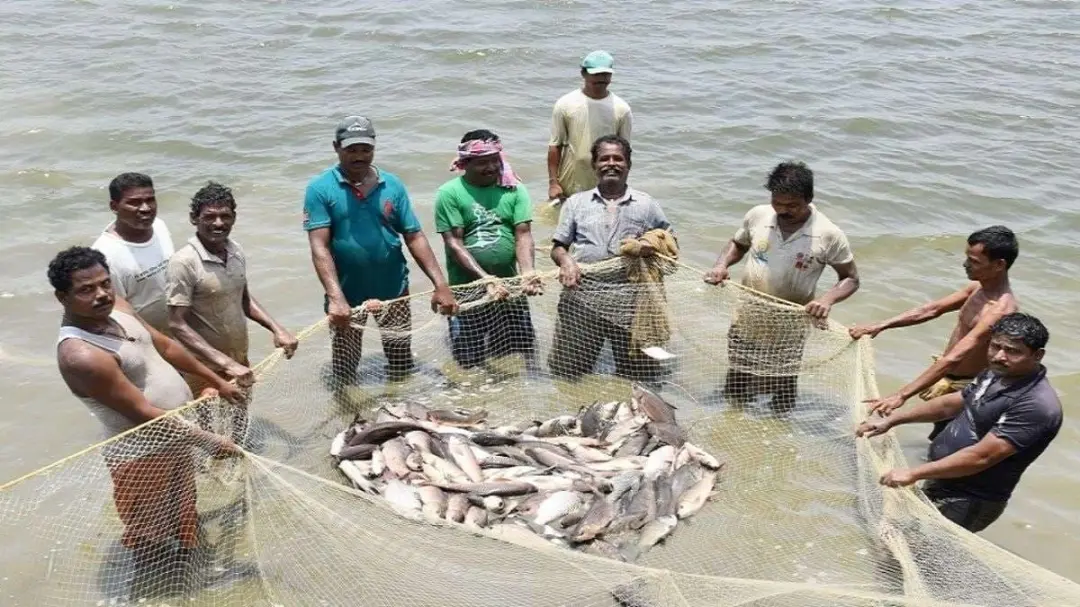
The matter is significant for the fishing community because a large number of families in the state depend on fishing, fish farming and related businesses. If such communities are allegedly misled through an organisation's name, a government logo or a scheme, it could have a direct economic impact on families. Although ₹100 may appear to be a small amount at an individual level, collection from millions of people can result in a sum running into crores of rupees.
The departmental action also indicates that the administration has become alert to the organisation's activities. The directive not to cooperate with CAFED has been sent to relevant government and fisheries-sector institutions. This could make it difficult for the organisation to undertake any official participation with the government system until its legal status and activities are clarified.
A key question in the case is the actual accounting of the alleged amount of around ₹14 crore collected in the name of more than 1.4 million fishermen. The investigation will also have to establish how many Fisheries Cards were issued, how many people made payments and whether any actual government or cooperative service was provided in return. The alleged use of the government logo and names of cooperative organisations is also being investigated.
Questions have been raised at several levels, from CAFED's registration and alleged membership fees to the use of the government logo, bank account, website and documents related to grants. The departmental letter has treated these activities seriously and alerted the concerned institutions. The ongoing investigation by the Economic Offences Unit and other authorities will establish the actual extent of the alleged financial irregularities and identify those responsible, if the allegations are substantiated.
For fishermen in Bihar, the department's caution is to verify the official recognition of any organisation before making payments in the name of membership, cards, government schemes or benefits. Information related to fisheries schemes and applications is available on the official website of the Bihar Directorate of Fisheries.
The action initiated by the department in the CAFED case could lead to an expansion of the investigation in the coming days. The full picture will emerge only after separate investigations into the alleged collection of around ₹14 crore, use of the government logo, forged documents, bank account and grant-related allegations are completed. The information available so far is primarily based on departmental investigations, reports and allegations, and the allegations should therefore not be treated as conclusively established facts.